Bite Misalignment Explained: Overbite, Underbite, Crossbite and Open Bite
Many patients in Sector 45 come to us worried after noticing their teeth do not meet the way they expect, or after a family member points out a crooked smile. Bite misalignment, also called malocclusion, is common and usually treatable. This guide explains the main types, what typically causes them, and how they are corrected.
What Is Bite Misalignment?
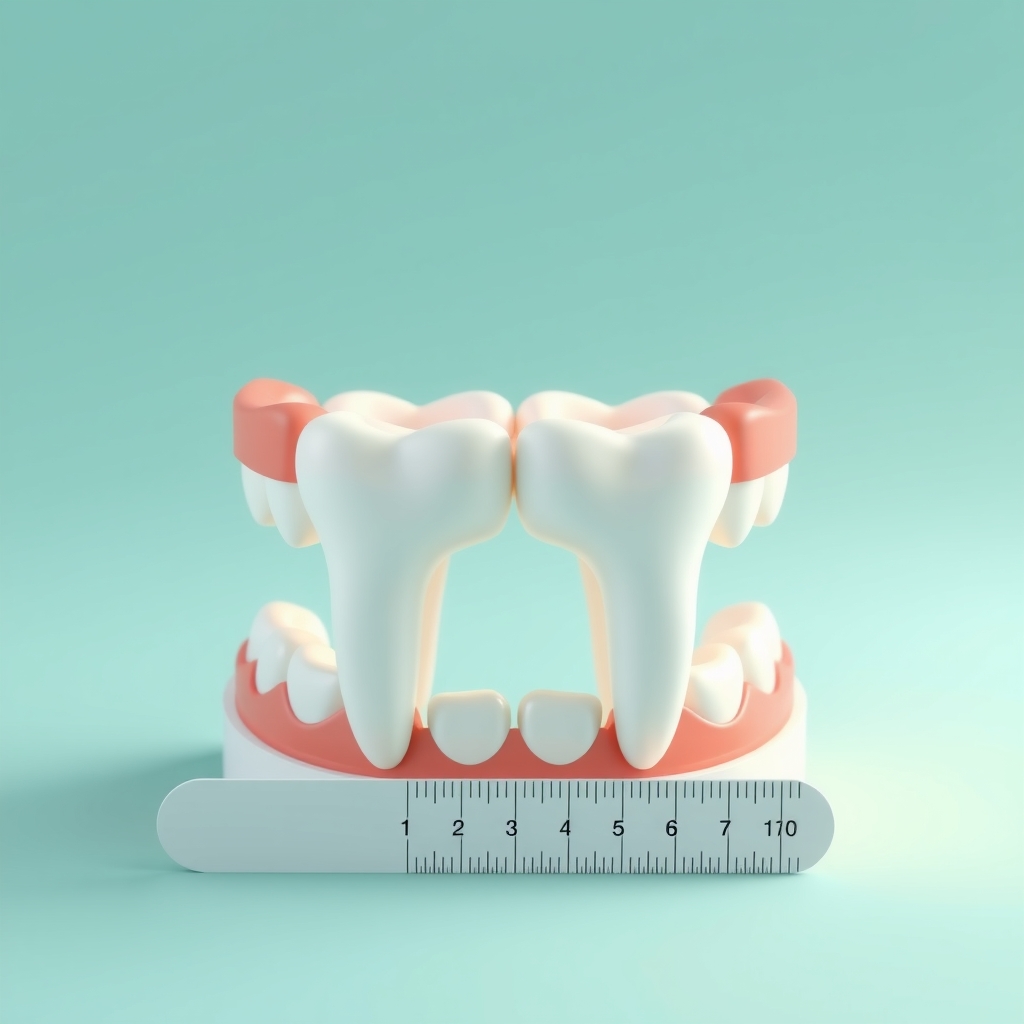
A bite refers to how your upper and lower teeth fit together when you close your mouth. When teeth or jaws do not align properly, it can affect chewing, speech, jaw comfort, and the appearance of your smile. Malocclusion ranges from mild, barely noticeable shifts to more significant jaw discrepancies.
Common Types of Bite Misalignment
Overbite
An overbite happens when the upper front teeth extend too far over the lower front teeth. A small amount of overlap is normal, but an excessive overbite can cause wear on lower teeth and jaw strain over time.
Common causes: genetics, prolonged thumb sucking or pacifier use in childhood, and undersized lower jaw growth.
Underbite
With an underbite, the lower jaw and teeth sit in front of the upper teeth. This is less common than an overbite but can noticeably affect facial profile and chewing function.
Common causes: inherited jaw shape, excessive lower jaw growth, or missing upper teeth that allow the lower jaw to shift forward.
Crossbite
A crossbite occurs when one or more upper teeth sit inside the lower teeth instead of outside, either on one side (unilateral) or both sides (bilateral). It can affect front teeth or back teeth.
Common causes: narrow upper jaw, delayed loss of baby teeth, or improper eruption pattern of permanent teeth.
Open Bite
An open bite means the upper and lower teeth do not touch when the mouth is closed, leaving a visible gap, most often at the front. This can make biting into food and pronouncing certain sounds harder.
Common causes: prolonged thumb sucking, tongue thrusting habits, or a skeletal growth pattern where the jaws do not meet fully.
How Bite Problems Are Diagnosed
During an evaluation, our dentists check how your teeth meet, look at jaw symmetry, and often use X-rays to understand the underlying bone structure. This helps determine whether the issue is purely dental (teeth position) or skeletal (jaw bone structure), which affects the treatment plan.
Treatment Options
- Braces: Metal or ceramic brackets gradually move teeth into better alignment. Suitable for most types of malocclusion, especially in growing children and teens.
- Clear aligners: A removable, nearly invisible option for mild to moderate cases in teens and adults.
- Growth modification appliances: Used in children to guide jaw growth, particularly helpful for early underbite or crossbite correction.
- Palatal expanders: Widen a narrow upper jaw to correct crossbites, most effective before the jaw fully hardens in the early teen years.
- Tooth extraction: Sometimes needed to create space for proper alignment when crowding is severe.
- Orthognathic (jaw) surgery: Reserved for significant skeletal discrepancies in adults where braces alone cannot correct the jaw position.
Typical Cost Range
Treatment cost depends on the severity of misalignment, the appliance chosen, and treatment duration. In Sector 45, Gurgaon, the typical range for braces is approximately Rs 25,000 to Rs 90,000, while clear aligners typically range from Rs 60,000 to Rs 1,80,000. Cases needing surgical correction will cost more due to the complexity involved. These are general estimates and your dentist will confirm an accurate plan after examination.
When to See a Dentist
If you notice your teeth do not meet evenly, jaw clicking, difficulty chewing, or a visible gap between upper and lower teeth, it is worth getting a professional opinion. Early diagnosis, especially in children, often means simpler and shorter treatment.
At Smiles By Dr. T in Sector 45, Gurgaon, near ISKCON Temple, our team evaluates your bite carefully and recommends a treatment plan suited to your specific case. Call us at +91 93158 66588 to book a consultation.
Have questions about your teeth?
Smiles By Dr. T · Plot No 35, Sector 45, Near ISKCON Temple, Gurgaon
Frequently asked questions
At what age should bite problems be checked?
Most dentists suggest an orthodontic evaluation by age 7, since jaw growth issues are easier to guide early. However, bite correction can be done successfully at any age, including adulthood.
Can bite misalignment get worse if untreated?
Yes. Over time, an untreated bite issue can lead to uneven tooth wear, gum problems, jaw discomfort, and sometimes speech or chewing difficulties. Early evaluation helps prevent these complications.
Is surgery always needed for underbites or crossbites?
No. Many mild to moderate cases are corrected with braces, aligners, or growth appliances. Surgery is generally reserved for severe skeletal cases in adults where jaw bones need repositioning.
How do I know which type of bite issue I have?
A dental examination with bite analysis and X-rays is the only reliable way to identify the type and severity. Visual signs like an underbite or open front teeth gap can offer clues, but a professional check confirms the diagnosis.
Treatment costs mentioned on this page are indicative ranges for the Sector 45, Gurgaon region. Your exact cost depends on your case and will be confirmed after a clinical examination at the clinic.