Jaw Pain and Clicking: Understanding TMJ Disorder
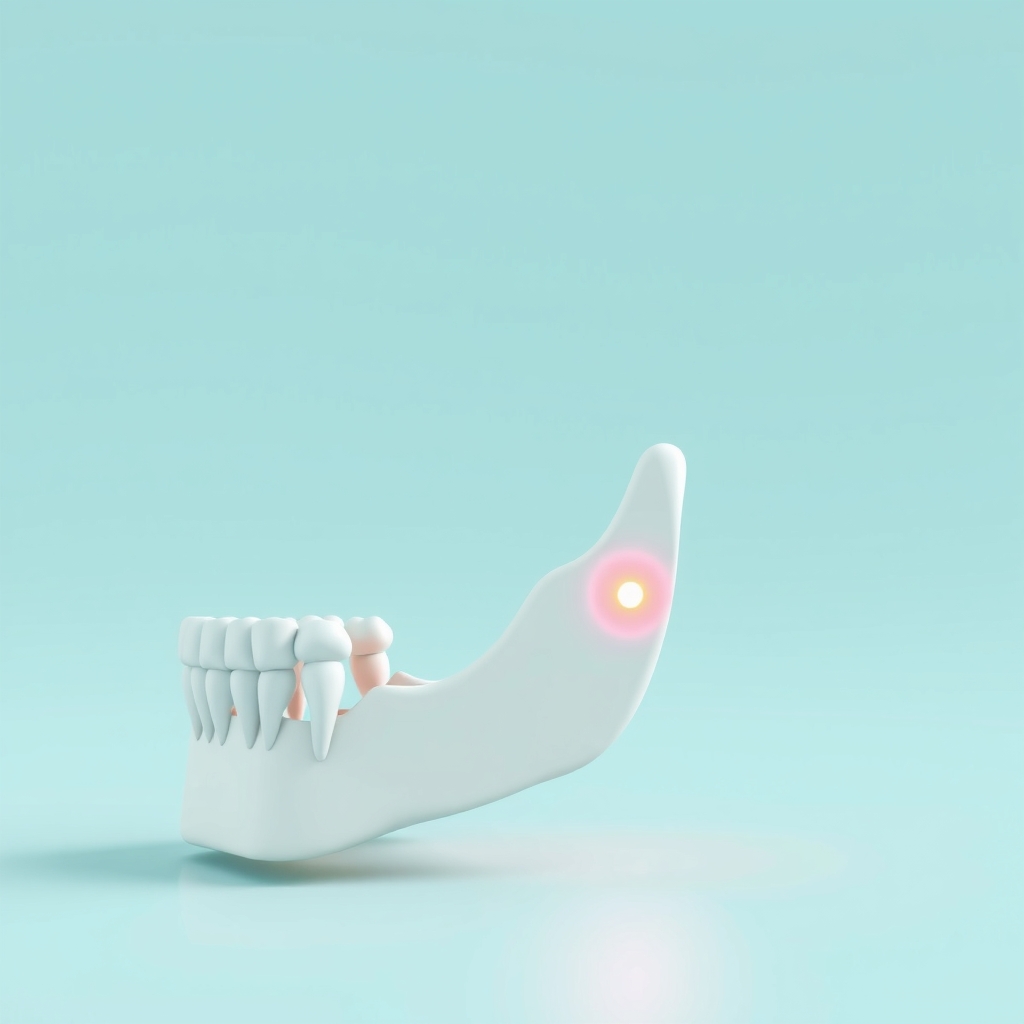
Jaw pain, clicking sounds, or a feeling of the jaw catching when you chew are common complaints we hear from patients across Sector 45, Gurgaon. These symptoms usually point to a problem with the temporomandibular joint, the hinge that connects your lower jaw to your skull just in front of each ear. This condition is often called TMJ disorder or TMD.
The good news is that most jaw joint problems are manageable, especially when addressed early. This article explains what causes TMJ disorder, how dentists diagnose it, and the range of treatments available, from simple home care to splints and dental correction.
What Causes Jaw Pain and Clicking
The temporomandibular joint has a small disc that helps the jaw open and close smoothly. When this disc shifts out of position, or when the muscles and ligaments around the joint become strained, you may hear clicking, popping, or grating sounds. Common causes include:
- Teeth grinding or clenching, often linked to stress or sleep habits
- Poor bite alignment where upper and lower teeth do not meet evenly
- Jaw injury or trauma from an accident or a hard blow
- Arthritis affecting the jaw joint
- Habits like nail biting, gum chewing, or resting the chin on the hand
- Missing teeth or old fillings that changed how you bite
Symptoms can range from mild clicking with no pain to significant discomfort while chewing, speaking, or even yawning. Some patients also experience headaches, ear fullness, or neck stiffness because the jaw muscles connect to nearby structures.
How TMJ Disorder Is Diagnosed
Diagnosis usually starts with a detailed conversation about your symptoms, followed by a physical examination. During your visit, the dentist will typically:
- Feel the jaw joint and surrounding muscles while you open and close your mouth
- Listen for clicking or grating sounds
- Check how far you can open your mouth and note any deviation
- Examine your bite and look for signs of grinding, such as worn tooth edges
- Ask about stress levels, sleep quality, and any recent jaw injury
In some cases, an X-ray or a more detailed scan may be recommended to rule out joint damage or arthritis, especially if the pain is persistent or the jaw locks frequently.
Treatment Options, From Simple to Advanced
Treatment for TMJ disorder is almost always conservative first. Surgery is rarely required and considered only when other options have not worked.
Home Care and Self-Management
- Eating softer foods for a few days to rest the joint
- Applying a warm compress to relax tight muscles or a cold pack to ease acute pain
- Avoiding wide yawning, hard chewing, and gum chewing
- Gentle jaw stretching exercises, often suggested by your dentist
- Managing stress through relaxation techniques, since clenching often worsens with tension
Splints and Night Guards
If grinding or clenching is contributing to your symptoms, a custom night guard or splint is often recommended. This device is worn while sleeping and helps reduce pressure on the jaw joint by preventing teeth from grinding against each other. Many patients notice reduced morning stiffness and soreness after consistent use.
Dental Correction
When a misaligned bite is the underlying cause, your dentist may suggest adjusting the bite through selective reshaping of teeth, replacing old fillings or crowns that sit too high, or orthodontic treatment to correct alignment over time. These options are considered only after a clear diagnosis confirms the bite is contributing to the joint problem.
When Physiotherapy or Further Care Is Needed
For persistent muscle tightness, jaw physiotherapy exercises can help restore normal movement. In rare, more complex cases involving joint damage, your dentist may refer you to an oral and maxillofacial specialist for further evaluation.
| Approach | Typical Range (INR) |
|---|---|
| Consultation and diagnosis | Typical range: Rs 500 to Rs 1,000 |
| Custom night guard or splint | Typical range: Rs 4,000 to Rs 9,000 |
| Bite correction (minor adjustment) | Typical range: Rs 2,000 to Rs 6,000 |
Costs vary depending on the severity of your condition and the materials used, and your dentist will explain the plan before starting any treatment.
When to See a Dentist in Sector 45
If jaw clicking is painless and does not affect eating or speaking, it may not need treatment. However, you should book an appointment if you notice ongoing pain, difficulty opening your mouth fully, frequent locking, or clicking that has recently started along with discomfort. Early evaluation often leads to simpler, faster treatment.
At Smiles By Dr. T in Sector 45, Gurgaon, near ISKCON Temple, our team takes a careful, step by step approach to jaw pain, starting with the least invasive options and moving forward only if needed.
Have questions about your teeth?
Smiles By Dr. T · Plot No 35, Sector 45, Near ISKCON Temple, Gurgaon
Frequently asked questions
Is jaw clicking always a sign of TMJ disorder?
Not always. Many people have painless clicking that never needs treatment. Clicking becomes a concern only when it comes with pain, locking, or difficulty chewing.
Can stress really cause jaw pain?
Yes. Stress often leads to clenching or grinding, especially during sleep, which overworks the jaw joint and muscles and can trigger TMJ symptoms.
Will I need surgery for TMJ disorder?
Most cases improve with home care, physiotherapy, or a splint. Surgery is rarely needed and is considered only after conservative treatments fail.
How long does it take for a night guard to help TMJ pain?
Many patients notice reduced morning jaw soreness within 2 to 4 weeks of consistent night guard use, though full benefit can take a few months.
Treatment costs mentioned on this page are indicative ranges for the Sector 45, Gurgaon region. Your exact cost depends on your case and will be confirmed after a clinical examination at the clinic.