Stages of Tooth Decay: From White Spots to Cavities
Noticing a dark spot on a tooth or feeling a twinge of pain while eating something sweet is often the first sign that tooth decay has started. Many patients at our Sector 45, Gurgaon clinic ask the same question: how bad is this, and what will it take to fix it? Understanding the stages of tooth decay can help you know what to expect before you even sit in the dental chair.
The Stages of Tooth Decay
Tooth decay does not happen overnight. It develops gradually as bacteria in plaque break down sugars and produce acid that wears away the tooth structure. Here is how it typically progresses.
1. White Spot Lesions
This is the earliest visible stage. A chalky white spot appears on the enamel where minerals have started to weaken. There is usually no pain at this point, and the enamel surface is still intact. This stage is often reversible with fluoride treatment, improved brushing, and reduced sugar intake.
2. Enamel Decay
If untreated, the white spot progresses and the enamel surface breaks down. You may notice a small brown or dark area, sometimes with slight roughness when you run your tongue over it. There is still usually little to no pain, but this stage cannot reverse on its own and needs professional attention.
3. Dentin Decay
Once decay moves past the enamel into the dentin layer underneath, it tends to spread faster because dentin is softer. This is often when sensitivity to hot, cold, or sweet foods begins. A visible cavity or hole may be present.
4. Pulp Involvement
If decay reaches the pulp, the innermost part of the tooth containing nerves and blood vessels, it can cause noticeable pain, swelling, or sensitivity to pressure. At this stage, a filling alone is usually not enough, and root canal treatment may be needed before restoring the tooth.
How Dentists Diagnose Tooth Decay
A visual check alone does not always tell the full story, especially for decay between teeth or under old fillings. At our Sector 45 clinic, diagnosis typically involves:
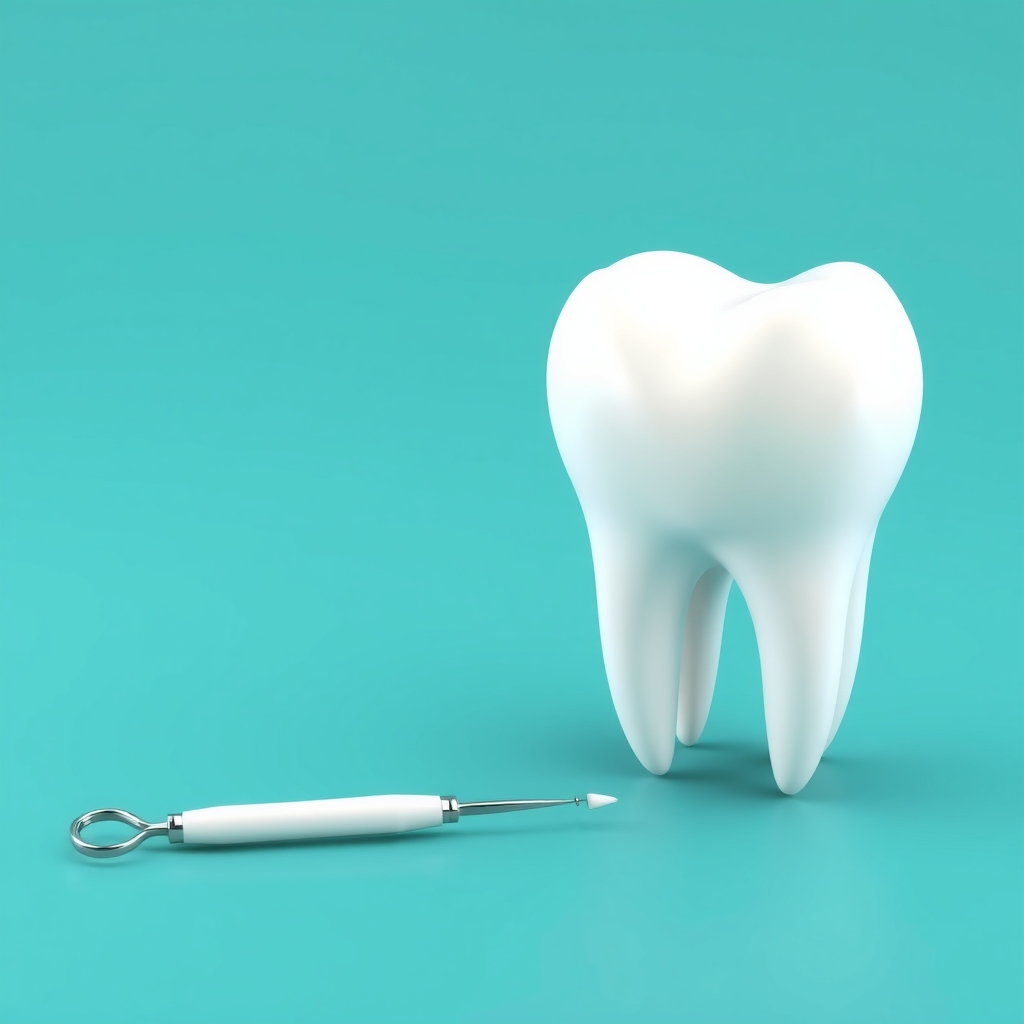
- Visual and physical examination using a dental mirror and probe
- Dental X-rays to detect decay that is not visible to the eye, including between teeth
- Checking for sensitivity to temperature or sweetness
- Assessing the size and depth of any visible cavity
This combination helps your dentist confirm exactly which stage the decay has reached and recommend the right treatment rather than jumping straight to a filling.
Filling and Inlay Treatment Options
Once decay is confirmed, the damaged portion of the tooth is cleaned out and the space is restored. The right option depends on how much tooth structure is affected.
Direct Fillings
For small to moderate cavities, a tooth-coloured composite filling is placed directly into the cleaned cavity and hardened with a curing light. This is completed in a single visit and blends naturally with your tooth.
Inlays and Onlays
When decay has damaged a larger portion of the tooth but not enough to need a full crown, an inlay or onlay may be recommended. These are custom-made restorations, often in ceramic or composite, that are fitted precisely into the prepared tooth. They usually require two visits since the restoration is made to fit your tooth exactly.
| Decay Stage | Typical Treatment | Typical Range (INR) |
|---|---|---|
| White spot | Fluoride application, monitoring | 500 to 1,500 |
| Small cavity (enamel/dentin) | Composite filling | 1,200 to 3,500 per tooth |
| Larger cavity | Inlay or onlay | 4,500 to 12,000 per tooth |
| Decay reaching pulp | Root canal plus restoration | Varies, discussed after diagnosis |
These are general estimates for Sector 45, Gurgaon and the final cost depends on the tooth involved, material chosen, and complexity of the case. Your dentist will confirm the exact plan after examination and X-rays.
Why Early Detection Matters
Catching decay at the white spot or early enamel stage means simpler, more affordable treatment and a better chance of keeping the tooth strong for years. Waiting until there is pain often means the decay has already reached the dentin or pulp, requiring more extensive work. Regular check-ups every six months help catch these changes before they become bigger problems.
If you have noticed a spot, sensitivity, or discomfort in a tooth, it is worth getting it checked soon rather than waiting for it to worsen. Our team at Smiles By Dr. T in Sector 45, Gurgaon can assess the stage of decay and walk you through the treatment options that suit your tooth and budget.
Have questions about your teeth?
Smiles By Dr. T · Plot No 35, Sector 45, Near ISKCON Temple, Gurgaon
Frequently asked questions
Can a white spot on a tooth go away on its own?
Early white spots can sometimes be reversed or stopped from progressing with fluoride, better brushing, and diet changes. Once the enamel breaks down into a cavity, it will not heal on its own and needs a filling.
Does a small cavity always need a filling?
If decay has broken through the enamel into the tooth structure, a filling is usually needed to stop it from spreading. Very early enamel-only spots may sometimes be managed without a filling.
How do I know if my cavity needs a filling or a bigger treatment like a crown?
This depends on how much healthy tooth structure remains after the decay is removed. Your dentist will check this during the exam and X-ray review before suggesting a filling, inlay, or crown.
Is tooth decay treatment painful?
Most filling and inlay procedures are done under local anaesthesia and are not painful. Some sensitivity for a day or two afterward is normal.
Treatment costs mentioned on this page are indicative ranges for the Sector 45, Gurgaon region. Your exact cost depends on your case and will be confirmed after a clinical examination at the clinic.