How to Clean Teeth and Gums Properly When You Have Braces

Getting braces is a big step toward a healthier, straighter smile, but they do make daily cleaning a bit more demanding. Brackets and wires create extra nooks where food and plaque can hide, which raises the risk of cavities, gum inflammation, and white spot marks if hygiene slips. The good news is that with the right technique and a few extra tools, keeping your teeth and gums healthy during treatment is very manageable. This guide walks through practical steps for patients in Sector 45, Gurgaon, and nearby areas who are currently in braces or thinking about starting treatment.
Why Oral Hygiene Matters More With Braces
When brackets are cemented onto your teeth, they naturally trap food particles around the edges and under the wires. If plaque is not removed regularly, it can lead to white spot lesions, which are early signs of enamel demineralisation, along with gum swelling or bleeding. These issues are largely preventable with consistent care, but they tend to progress faster in braces than in normal teeth because cleaning is physically harder.
Brushing Technique for Braces
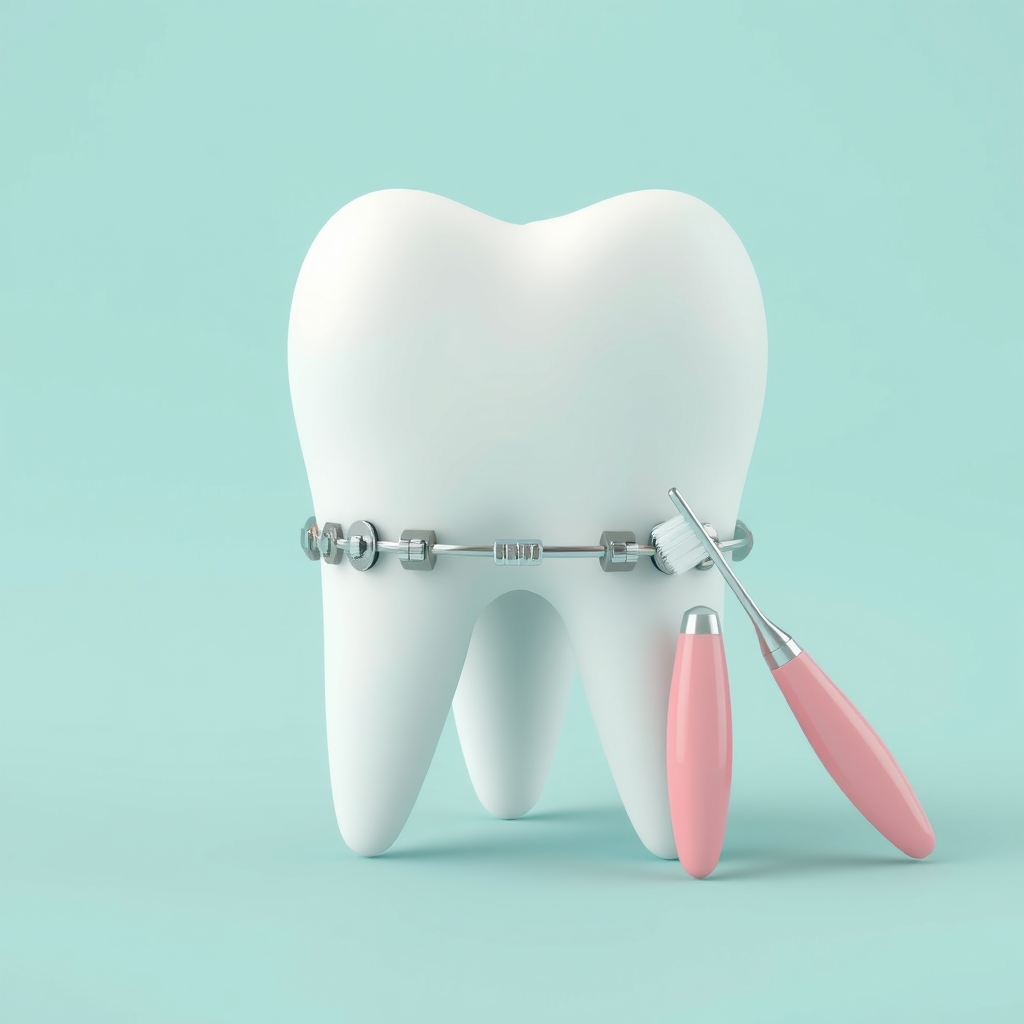
A soft-bristled brush, either manual or electric, works well for braces. The angle and pattern matter more than the type of brush.
- Hold the brush at a 45 degree angle and clean above and below each bracket separately.
- Use small circular motions rather than harsh back and forth scrubbing.
- Brush the chewing surfaces, inner surfaces, and gumline of every tooth, not just the front.
- Spend at least two minutes brushing, ideally after every meal or snack.
- Consider an orthodontic brush with a V-shaped bristle cut, which is designed to clean around brackets more effectively.
Interdental Brushes: Your New Best Friend
Interdental brushes, sometimes called proxy brushes, are small brushes shaped to slide between teeth and under wires. They are excellent at removing food trapped around brackets that a regular toothbrush cannot reach.
- Gently insert the brush between the wire and gum, then move it in and out a few times.
- Use a fresh brush size that fits snugly without forcing it, to avoid bending the wire.
- Clean between every bracket, not just the ones that feel obviously blocked.
- Rinse and reuse the brush for a few days before replacing it, or as advised by your dentist.
Water Flossers for Braces
Water flossers use a thin, pressurised stream of water to flush out debris from around brackets, wires, and the gumline. Many people find them faster and easier than threading traditional floss under wires.
- Aim the tip at a 90 degree angle to the gumline and move slowly along each tooth.
- Pay extra attention to the area just below the wire, where food tends to collect.
- Use once daily, ideally in the evening, in addition to brushing and interdental brushes rather than as a full replacement.
Traditional floss with an orthodontic threader is still useful for tighter contact points between teeth, so combining methods often gives the best results.
Foods That Can Stain Teeth or Damage Brackets
Certain foods increase the risk of a loose bracket, a poking wire, or stained enamel around the brackets once they come off.
| Category | Examples to limit | Why it matters |
|---|---|---|
| Hard foods | Ice, nuts, hard chikki, raw carrots in large bites | Can crack or loosen brackets and bend wires |
| Sticky foods | Chewing gum, toffees, caramel | Pulls at brackets and is hard to clean off wires |
| Staining foods and drinks | Tea, coffee, turmeric-heavy curries, colas, red sauces | Can discolour enamel unevenly around brackets |
| Very sugary snacks | Sweets, pastries, sugary cereals | Feeds plaque bacteria, raising cavity risk |
You do not need to avoid these completely forever, but limiting frequency and rinsing or brushing soon afterward reduces the risk considerably.
Building a Simple Daily Routine
- Morning: Brush thoroughly for two minutes, use an interdental brush around any tight spots.
- After meals: Rinse with water if brushing is not possible, and brush when you can.
- Evening: Brush, use interdental brushes on every bracket, then finish with a water flosser or threaded floss.
- Weekly check: Look in the mirror for any white spots, food traps, or loose brackets and note them for your next visit.
When to See Your Dentist
Regular orthodontic adjustment visits are also a good time for your dentist to check for early decay, gum inflammation, or hygiene gaps around brackets. If you notice persistent bad breath, bleeding gums, a broken bracket, or a wire poking your cheek, do not wait for your next scheduled appointment. At Smiles By Dr. T in Sector 45, Gurgaon, our team can guide you on technique, recommend the right interdental brush sizes, and catch small issues before they become bigger problems during your braces journey.
Have questions about your teeth?
Smiles By Dr. T · Plot No 35, Sector 45, Near ISKCON Temple, Gurgaon
Frequently asked questions
How often should I brush my teeth while wearing braces?
Brush after every meal or snack if possible, and at least twice a day for two minutes. Food gets trapped around brackets easily, so more frequent brushing helps prevent plaque buildup and white spots.
Are water flossers as good as string floss for braces?
Water flossers are very helpful for braces because they flush out debris from hard to reach spots around wires and brackets. Many orthodontic patients find them easier to use than string floss, though a combination of both gives the most thorough clean.
Can I still get cavities even if I brush regularly with braces?
Yes. Brackets and wires create extra places for plaque to hide, so even regular brushers can develop white spot lesions or cavities if technique and interdental cleaning are not consistent. Regular dental check-ups help catch problems early.
What foods should I completely avoid with braces?
Avoid hard foods like ice, nuts, and hard candy, sticky foods like chewing gum and caramel, and very staining items like excess turmeric-based curries, tea, coffee, and colas, since they can loosen brackets or discolour teeth around them.
Treatment costs mentioned on this page are indicative ranges for the Sector 45, Gurgaon region. Your exact cost depends on your case and will be confirmed after a clinical examination at the clinic.