Extrinsic vs Intrinsic Tooth Discoloration: Causes and Treatments
Noticing that your teeth look yellow, grey or brown can be worrying, especially when you are not sure why it happened or what will actually fix it. Not all discoloration is the same, and the treatment that works beautifully for one type may do nothing for another. Understanding whether your staining is extrinsic or intrinsic is the first step before choosing whitening, bonding or veneers.
What Is Extrinsic Discoloration
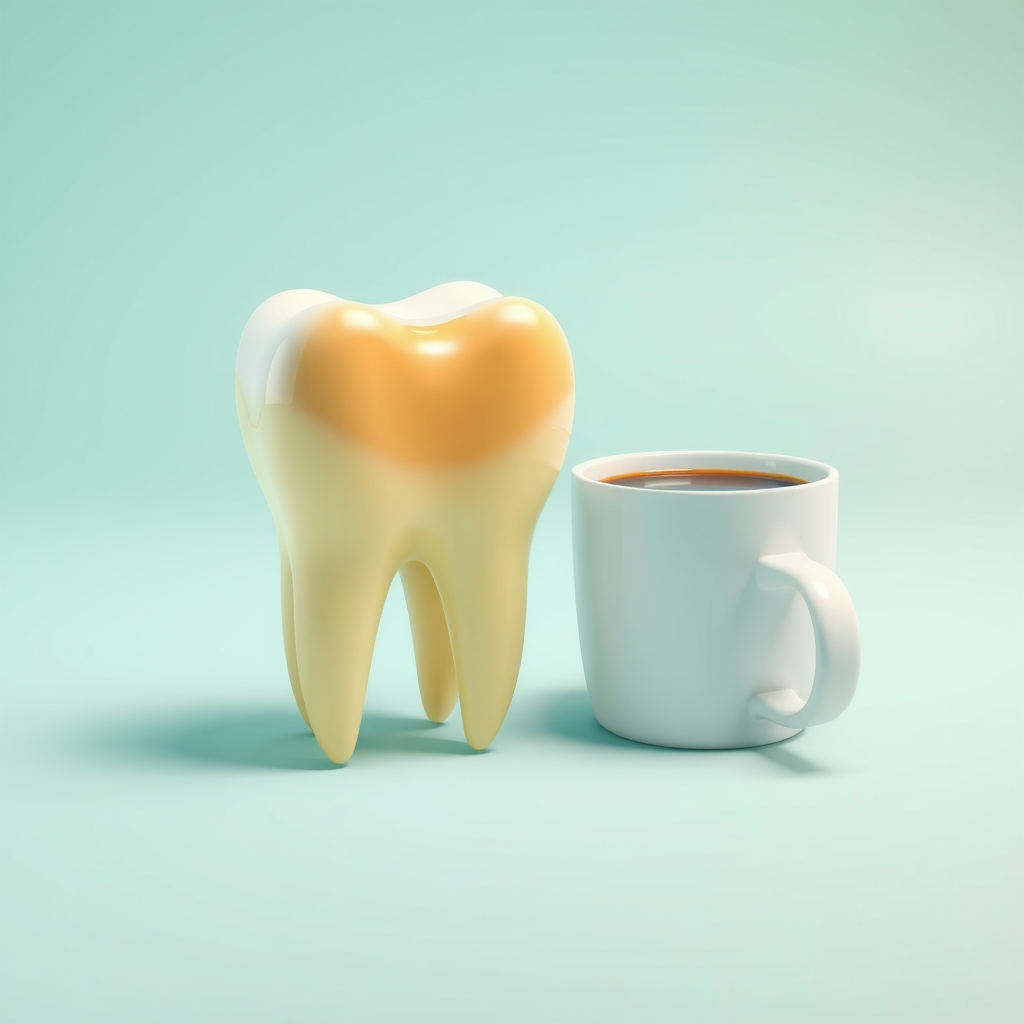
Extrinsic stains sit on the outer surface of the tooth, on the enamel. They build up gradually from what touches your teeth every day.
- Tea, coffee and red wine: These contain pigments called tannins that cling to enamel over time.
- Tobacco use: Smoking or chewing tobacco leaves yellow to dark brown surface stains.
- Poor oral hygiene: Plaque and tartar buildup trap stains and make teeth look dull.
- Certain mouthwashes: Chlorhexidine based rinses, if used long term, can cause brownish staining.
Extrinsic stains usually respond well to cleaning and whitening because the problem is on the surface, not inside the tooth structure.
What Is Intrinsic Discoloration
Intrinsic discoloration develops within the tooth itself, in the dentin layer beneath the enamel. This type is harder to remove and often needs a different approach.
- Aging: Enamel naturally thins with age, letting the yellower dentin underneath show through more.
- Medication: Tetracycline antibiotics taken during childhood or by a mother during pregnancy can cause grey or brown banding in adult teeth.
- Trauma: A knock to a tooth, even years ago, can cause internal bleeding or nerve changes that darken the tooth from within, sometimes turning it grey or blackish.
- Fluorosis: Excess fluoride exposure during childhood tooth development can cause white spots, streaks or brown mottling on the enamel.
Because intrinsic discoloration is embedded in the tooth structure, surface treatments like polishing rarely make a visible difference.
Matching the Treatment to the Cause
| Type of Discoloration | Common Cause | Likely Treatment |
|---|---|---|
| Surface yellow or brown stains | Tea, coffee, tobacco, plaque buildup | Professional cleaning and whitening |
| Mild age related yellowing | Enamel thinning with age | Whitening, sometimes combined with bonding |
| Grey or banded discoloration | Tetracycline medication exposure | Veneers or bonding, whitening often has limited effect |
| Single darkened tooth | Past trauma or nerve injury | Root canal evaluation first, then internal bleaching or a crown/veneer |
| White or brown patches | Fluorosis | Microabrasion, resin infiltration, or bonding/veneers for deeper marks |
Whitening
Whitening works by breaking down pigment molecules and is most effective for extrinsic stains and mild yellowing from aging. It generally does not correct grey tetracycline staining or white fluorosis spots to a satisfying degree.
Bonding
Tooth coloured composite resin can be shaped over a stained or discoloured tooth to mask the colour beneath. It is a conservative, same day option that works well for isolated dark spots, chipped or trauma affected teeth, and some fluorosis marks. Bonding may need touch ups every few years as the resin wears.
Veneers
Thin porcelain or composite shells placed over the front of teeth are the most reliable way to cover deep intrinsic discoloration, including tetracycline staining and significant fluorosis. Porcelain veneers resist staining well and can last many years with good care.
Treating a Single Dark Tooth from Trauma
If only one tooth has darkened after an injury, it may signal that the nerve inside has been affected. We usually recommend an X-ray and a pulp vitality check before deciding between internal bleaching, a veneer or a crown.
What This Means for You
Many patients in Sector 45, Gurgaon come to us assuming whitening will fix any stain, only to find out during examination that their discoloration is intrinsic and needs a different solution. A short consultation, including a visual exam and sometimes an X-ray, helps us tell you honestly which treatment will actually work for your teeth rather than recommending something that will disappoint you later.
Cost naturally varies by treatment type and how many teeth are involved. As a general guide for patients near Sector 45, in-chair whitening typically ranges from INR 6,000 to 15,000, composite bonding per tooth typically ranges from INR 2,500 to 6,000, and porcelain veneers typically range from INR 8,000 to 20,000 per tooth. Your dentist will confirm exact costs after assessing your teeth.
Have questions about your teeth?
Smiles By Dr. T · Plot No 35, Sector 45, Near ISKCON Temple, Gurgaon
Frequently asked questions
Will whitening work on grey teeth from tetracycline?
Tetracycline stains are often greyish and lie deep in the tooth. Over-the-counter or even in-chair whitening may lighten them only slightly. Veneers or bonding usually give a more reliable and even result.
Can I remove white fluorosis spots with whitening?
Whitening treats the surrounding tooth colour but does not remove the white patches themselves. Microabrasion or resin infiltration, followed by bonding or veneers if needed, addresses fluorosis spots more directly.
How do I know if my stains are extrinsic or intrinsic?
Extrinsic stains usually sit on the surface, look yellow or brown, and are linked to tea, coffee, tobacco or poor cleaning. Intrinsic discoloration often looks grey, appears after trauma or medication use, or has been present since childhood. A dental exam gives a clear answer.
Is professional whitening safe for sensitive teeth?
Yes, with the right concentration and technique. During your consultation at our Sector 45 clinic, we check for sensitivity, cavities or gum issues first and adjust the whitening protocol accordingly.
Treatment costs mentioned on this page are indicative ranges for the Sector 45, Gurgaon region. Your exact cost depends on your case and will be confirmed after a clinical examination at the clinic.