How to Brush and Floss With Braces Without Getting Cavities
Braces do a great job of straightening teeth, but they also create extra nooks and corners where food and plaque can hide. If you are currently in treatment at Smiles By Dr. T in Sector 45, Gurgaon, this guide walks you through the daily habits and tools that keep your teeth clean and cavity-free until your braces come off.
Why Cleaning Is Harder With Braces
Brackets and wires create small ledges where food particles and plaque can collect, especially near the gumline and between the bracket and tooth surface. Left uncleaned, this plaque can lead to cavities, gum inflammation, bad breath, and permanent white spots on the enamel once braces are removed. The good news is that with the right technique and tools, all of this is preventable.
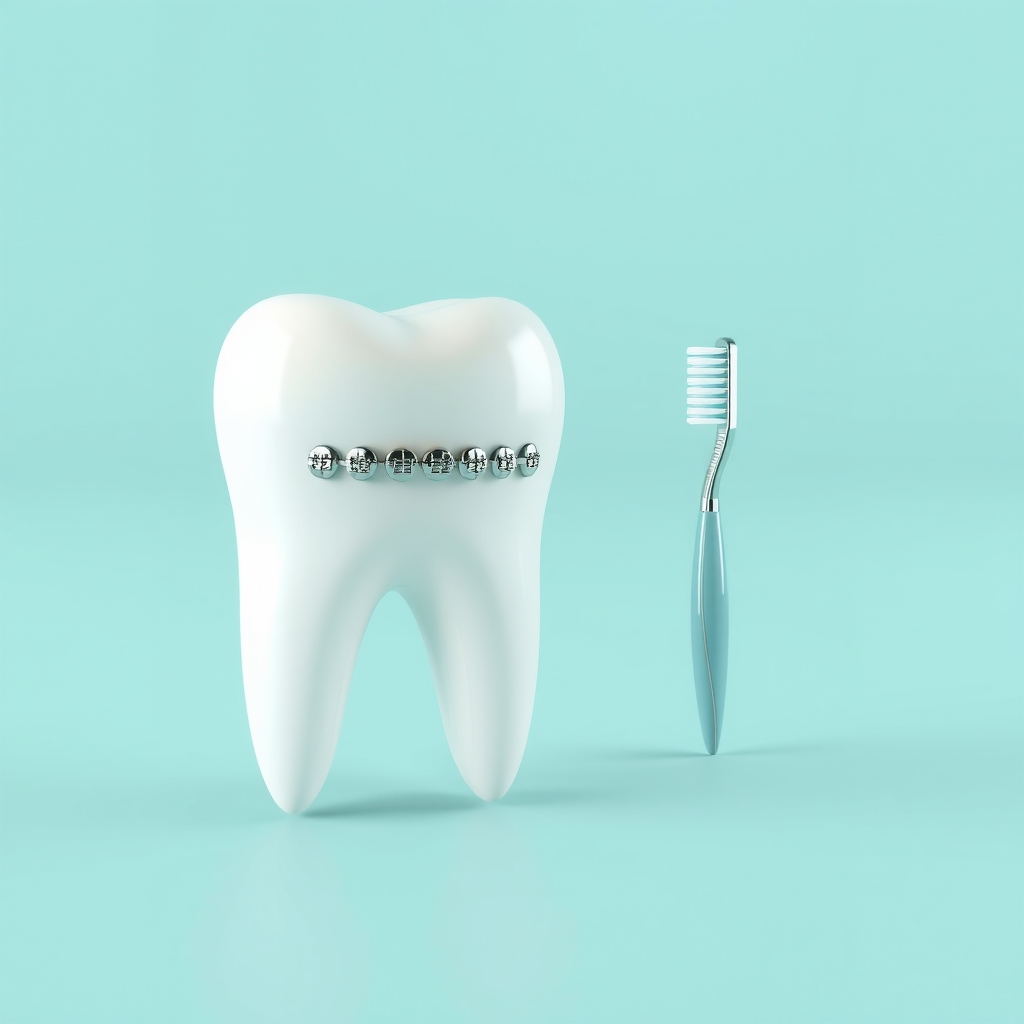
Brushing With Braces: Step-by-Step
- Rinse your mouth with water first to loosen any loose food debris.
- Use a soft-bristled toothbrush, either manual or electric, held at a 45-degree angle to the gumline.
- Brush above and below each bracket in small circular motions, not just straight across the wire.
- Angle the brush to clean along the gumline on both the upper and lower arches.
- Do not forget the chewing surfaces and the inner side of your teeth, which are just as prone to plaque.
- Finish with a fluoride mouth rinse if recommended by your dentist.
Brushing should take at least two minutes, and ideally happens after every meal. If brushing right after eating is not possible, at least rinse thoroughly with water until you can brush properly.
Choosing the Right Toothbrush
A soft-bristled brush is gentler on gums and brackets. Some patients prefer an orthodontic toothbrush, which has bristles cut in a V-shape to fit around brackets more easily. Electric toothbrushes are also safe with braces as long as the bristle head is soft and you avoid pressing too hard on the brackets.
Flossing With Braces
Flossing is often skipped because the wire seems to be in the way, but it remains essential for removing plaque between teeth that a toothbrush cannot reach. There are a few tools that make this easier:
- Floss threaders: A small plastic loop that helps guide regular floss under the wire.
- Orthodontic floss: Has a stiffened end built in, so no separate threader is needed.
- Water flossers: Use a thin, pressurised stream of water to dislodge food particles around brackets and wires. Useful alongside floss, not usually as a full replacement.
Floss gently between every tooth once a day, ideally at night before bed, so plaque does not sit undisturbed overnight.
Other Helpful Tools
- Interdental brushes: Small, cone-shaped brushes that clean around brackets and under wires.
- Fluoride toothpaste and rinse: Helps strengthen enamel and resist early decay around braces.
- Disclosing tablets: Occasionally used to highlight missed plaque so you can see problem spots.
Foods and Habits to Watch
Sticky, hard, or very sugary foods can loosen brackets or feed plaque bacteria. Being mindful of your diet during treatment supports your cleaning routine.
| Limit or Avoid | Better Choices |
|---|---|
| Caramel, toffee, chewing gum | Soft fruits, yoghurt, cheese |
| Hard candies, ice, nuts | Cooked vegetables, soft rotis |
| Frequent sugary drinks or snacks | Water, milk, meals with set timings |
Regular Dental Visits Still Matter
Even with excellent home care, professional cleanings during orthodontic treatment help remove hardened plaque that brushing and flossing cannot reach. Most orthodontic patients benefit from a dental check-up and cleaning every three to six months while wearing braces, alongside their regular adjustment appointments. If you notice bleeding gums, bad breath, or a bracket that feels loose, it is worth getting checked sooner rather than waiting for your next scheduled visit.
With a consistent daily routine and the right tools, keeping your teeth healthy through braces treatment is very achievable. Patients in Sector 45, Gurgaon can visit Smiles By Dr. T for personalised guidance on cleaning techniques suited to their specific braces and bite.
Have questions about your teeth?
Smiles By Dr. T · Plot No 35, Sector 45, Near ISKCON Temple, Gurgaon
Frequently asked questions
How many times a day should I brush with braces?
Brush after every meal if possible, or at least twice a day for two minutes each time. Braces trap food more easily than plain teeth, so more frequent brushing helps prevent plaque buildup and white spot stains.
Is it normal for my gums to bleed while flossing with braces?
Mild bleeding when you first start flossing around braces is common, especially if flossing has been irregular. It should improve within one to two weeks of consistent daily flossing. If bleeding continues or gums stay swollen, get it checked.
Can I use a water flosser instead of regular floss with braces?
A water flosser is a helpful addition for rinsing out food particles around wires and brackets, but it does not fully replace floss or a floss threader for removing plaque between teeth. Using both gives the best results.
What causes white spots on teeth after braces come off?
White spots usually form when plaque is left sitting on tooth surfaces around brackets for long periods, causing early enamel demineralisation. Consistent brushing, flossing, and fluoride use during treatment greatly reduce this risk.
Treatment costs mentioned on this page are indicative ranges for the Sector 45, Gurgaon region. Your exact cost depends on your case and will be confirmed after a clinical examination at the clinic.