How Acid Reflux (GERD) Silently Erodes Your Tooth Enamel
If your teeth have become thin, see-through at the edges, or sensitive to hot and cold without any obvious cavities, the cause might not be in your mouth at all. Chronic acid reflux, medically known as GERD (gastroesophageal reflux disease), is one of the most overlooked reasons behind tooth enamel erosion. At Smiles By Dr. T in Sector 45, Gurgaon, we regularly see patients who come in for sensitivity or discoloration and are surprised to learn their digestive health is the real culprit.
How Stomach Acid Reaches and Damages Your Teeth
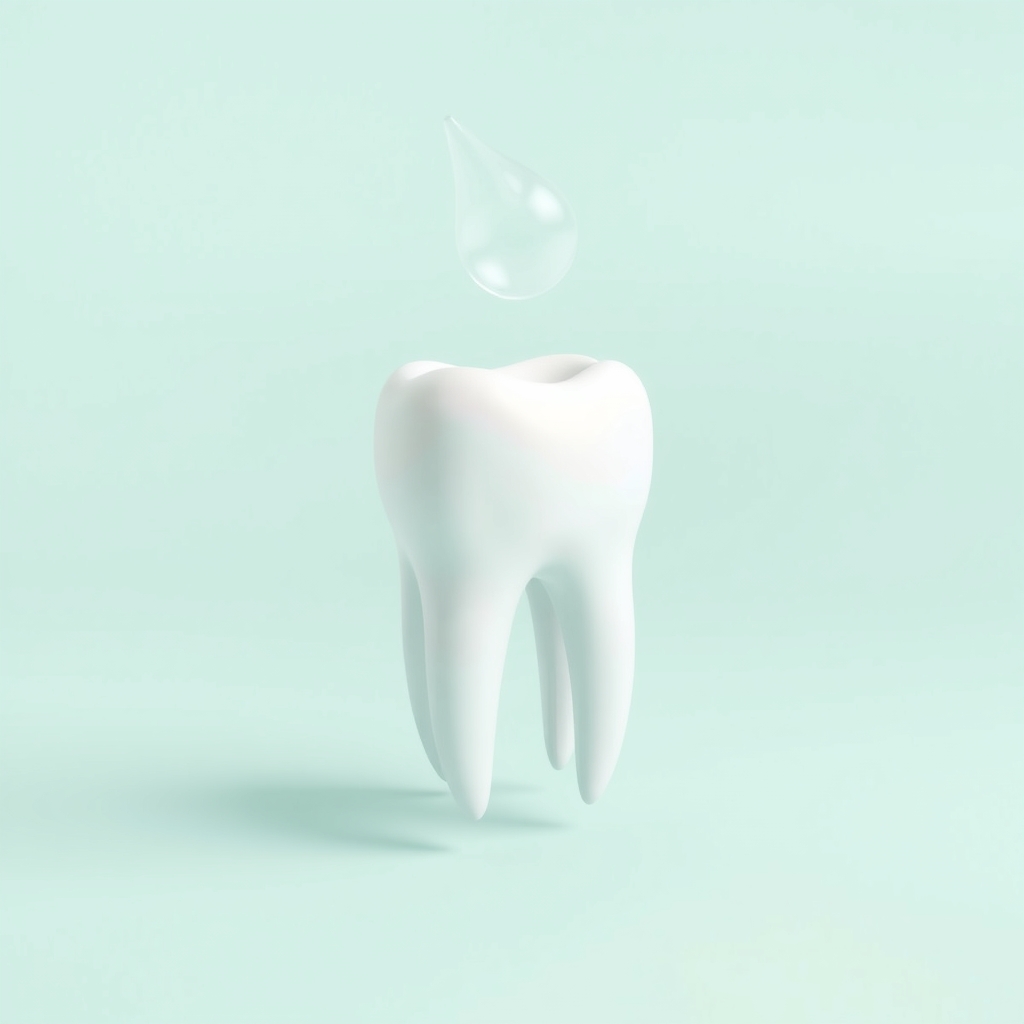
Enamel is the hard, protective outer layer of your teeth. It can withstand daily wear from chewing and mildly acidic foods, but it is not built to handle strong stomach acid. When GERD causes acid to repeatedly flow back up into the mouth, especially during sleep when saliva production drops, that acid softens and gradually dissolves the enamel.
Unlike cavities, which are usually localised and caused by bacteria, acid erosion tends to be widespread. It commonly affects the inner (tongue-side) surfaces of the upper front teeth and the chewing surfaces of the back teeth, since these areas have the most contact with refluxed acid.
Why This Damage Often Goes Unnoticed
Many people with GERD do not experience classic heartburn. This "silent reflux" can bring acid into the throat and mouth without any burning sensation, which means the teeth may be the first and only place the damage shows up. By the time sensitivity or visible thinning appears, erosion has often been happening for months or years.
Warning Signs Dentists Look For First
During a routine dental check-up, there are specific signs that point toward reflux-related erosion rather than ordinary decay or wear:
- Teeth that look smooth, shiny, and slightly glassy rather than rough or pitted
- Thinning and transparency near the biting edges of the front teeth
- Increased sensitivity to hot, cold, or sweet foods
- Cupped or dished-out areas on the chewing surfaces of molars
- A yellowish tinge as the dentin layer underneath becomes more visible
- Dry mouth or a sour taste that patients mention during consultation
When we notice this specific pattern, especially on the back of the upper front teeth, we often ask patients about digestive symptoms like heartburn, bloating, or a sour taste after meals, even if they have never connected it to their dental health before.
How It Differs From Regular Tooth Wear
Normal wear from chewing or brushing tends to be more even and gradual. Acid erosion from GERD is usually more pronounced on specific surfaces, progresses faster, and is frequently paired with sensitivity that regular wear does not always cause. A dental examination along with your medical history helps distinguish between the two.
Protecting Your Teeth If You Have Reflux Disease
If you already know you have GERD, or suspect you might, there are practical steps that can meaningfully slow down enamel damage:
- Avoid brushing immediately after a reflux episode or vomiting, since enamel is temporarily softened and brushing can wear it away faster. Rinse with plain water first and wait at least 30 minutes.
- Rinse your mouth with water mixed with a pinch of baking soda after reflux episodes to help neutralise acid.
- Chew sugar-free gum to stimulate saliva, which naturally buffers acid and helps remineralise enamel.
- Stay hydrated and avoid eating close to bedtime, since lying down soon after meals increases reflux risk.
- Use a soft-bristled toothbrush and a fluoride toothpaste to strengthen remaining enamel without added abrasion.
- Manage your GERD with your physician's guidance, since controlling the underlying condition is the most effective way to stop further erosion.
Treatment Options for Erosion-Related Damage
Once enamel has worn down, a dentist can help restore both function and appearance depending on the extent of damage. Options range from fluoride treatments and dental bonding for mild cases to veneers or crowns for more significant wear. Regular check-ups every six months allow us to catch erosion early and monitor whether it is progressing.
| Severity | Common Treatment | Typical Range (INR) |
|---|---|---|
| Mild erosion, sensitivity only | Fluoride treatment and desensitising paste | 800 to 2,500 |
| Moderate erosion, visible thinning | Dental bonding per tooth | 1,500 to 4,000 |
| Severe erosion, structural loss | Veneers or crowns per tooth | 8,000 to 25,000 |
If you live near Sector 45, Gurgaon, and have noticed your teeth becoming more sensitive, thin, or discoloured, especially alongside digestive symptoms, it is worth getting a dental evaluation sooner rather than later. Catching enamel erosion early makes a real difference in how much of your natural tooth structure can be preserved.
Have questions about your teeth?
Smiles By Dr. T · Plot No 35, Sector 45, Near ISKCON Temple, Gurgaon
Frequently asked questions
Can acid reflux really damage teeth if I have no stomach pain?
Yes. Many people with silent reflux have little to no heartburn but still bring stomach acid into the mouth, especially at night. Dentists often spot the enamel damage before the person realises they have reflux.
Is enamel erosion from GERD reversible?
No, enamel does not regenerate once lost. However, further erosion can be slowed or stopped by managing reflux and protecting the teeth, and a dentist can restore damaged teeth with bonding, veneers, or crowns depending on severity.
How is GERD-related erosion different from cavities?
Cavities are caused by bacteria feeding on sugar and usually appear as localised dark spots or holes. Erosion from reflux is more widespread, smoothens and thins the tooth surface, and often affects the back of the upper front teeth and chewing surfaces.
Should I see a doctor or a dentist first if I suspect reflux is affecting my teeth?
Both matter. A dentist can confirm the pattern of damage and advise on protecting your teeth, but managing the underlying reflux disease needs a physician or gastroenterologist, so treating both sides gives the best outcome.
Treatment costs mentioned on this page are indicative ranges for the Sector 45, Gurgaon region. Your exact cost depends on your case and will be confirmed after a clinical examination at the clinic.