Water Flosser vs String Floss: Which One Should You Use?
Brushing alone cleans only about 60 percent of your tooth surfaces. The rest, especially the tight spaces between teeth and under the gumline, needs a separate cleaning tool. Patients visiting our clinic near ISKCON Temple in Sector 45, Gurgaon often ask the same question: should they use a water flosser or stick with traditional string floss? Both work, but they work differently. Here is an honest comparison to help you choose what fits your teeth, budget and daily routine.
How Each Method Cleans Your Teeth
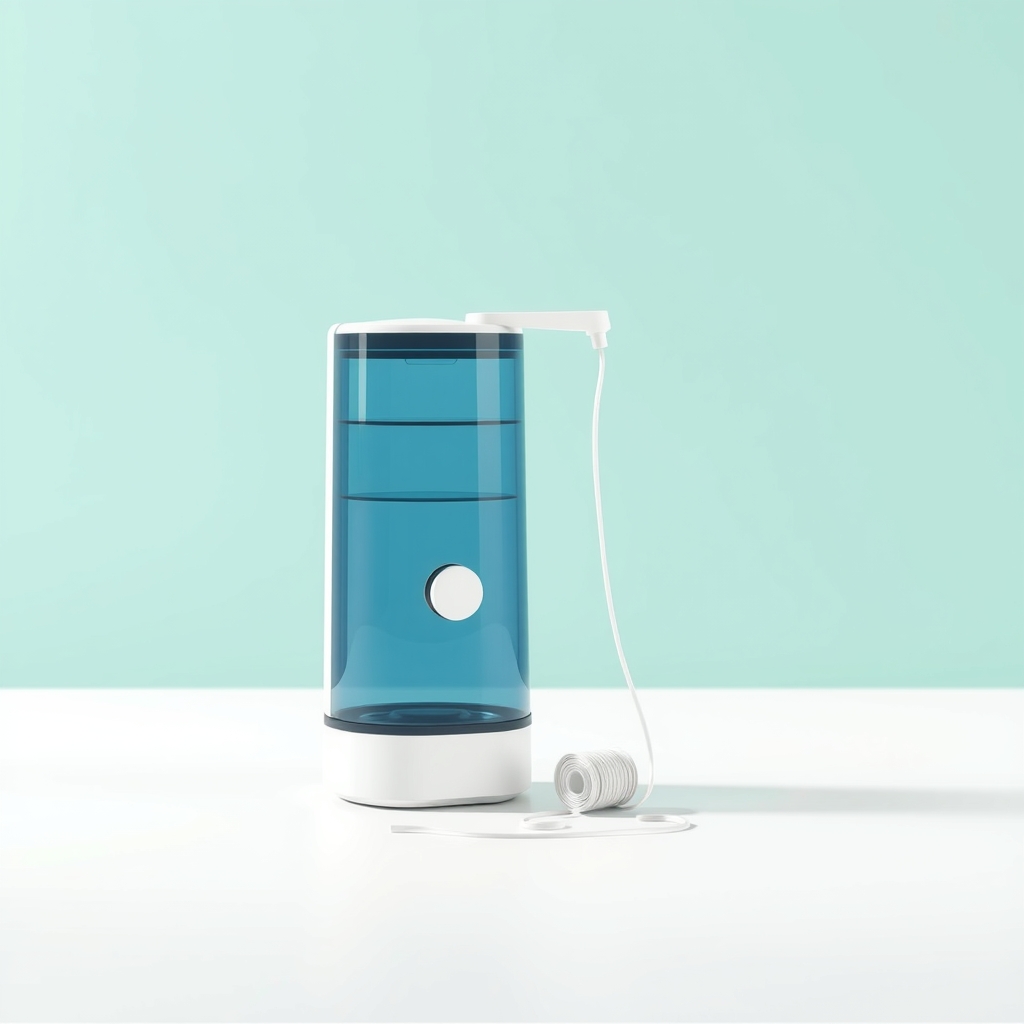
String floss is a thin thread that you slide between teeth to physically scrape away plaque and food debris. It hugs the tooth surface closely, which makes it very effective at removing sticky plaque, especially in tight contact points between teeth.
A water flosser uses a thin, pressurized stream of water to flush out debris and loosen plaque near the gumline and between teeth. It does not scrape the tooth surface the way floss does, but it reaches areas that are harder to access with string, such as around bridges, implants, braces or wide gum pockets.
Effectiveness: What Research and Clinical Experience Show
Several dental studies suggest string floss is slightly more effective at removing plaque directly stuck to tooth surfaces, when used with correct technique. Water flossers, however, often perform equally well or better at reducing gum bleeding and inflammation, particularly for patients with gum disease, braces, or dental work like crowns and implants.
- Best for plaque removal on tooth surfaces: String floss, when technique is correct.
- Best for gum health and hard-to-reach areas: Water flossers, especially with orthodontic appliances or implants.
- Best for people who floss inconsistently: Water flossers, because they are quicker and easier for many people to stick with daily.
Ease of Use
This is where the two methods differ the most for everyday patients.
String Floss
String floss requires some hand dexterity. You need to wrap it around your fingers, guide it gently between each tooth, and curve it against the tooth surface without snapping it into the gum. Children, elderly patients, and people with arthritis or limited hand mobility often find this technique frustrating or physically difficult.
Water Flosser
A water flosser is generally easier to use correctly from day one. You simply aim the tip along the gumline and let the water do the work. It is a good option for people with braces, bridges, or limited hand movement, and it tends to feel less messy once you get used to leaning over a sink.
Cost Comparison
Cost is often the deciding factor for patients in Sector 45, Gurgaon. Here is a general breakdown.
| Method | Typical Range (Initial + Ongoing) | Notes |
|---|---|---|
| String Floss | Typical range: INR 40 to INR 150 per pack | Packs last weeks to months depending on use |
| Water Flosser (device) | Typical range: INR 1,500 to INR 6,000 one-time | Price varies by brand, pressure settings and cordless vs corded models |
| Water Flosser (replacement tips) | Typical range: INR 200 to INR 600 per set | Usually replaced every 3 to 6 months |
String floss is cheaper upfront and has no maintenance cost. A water flosser needs a bigger initial investment but can be more cost-effective over time if it genuinely improves your gum health and reduces future dental treatment needs.
Who Should Choose Which Method
- Choose string floss if: you have good hand dexterity, want the lowest-cost option, and are consistent with your technique.
- Choose a water flosser if: you have braces, implants, bridges, sensitive or bleeding gums, or find string floss physically difficult.
- Consider using both if: you want the plaque-scraping benefit of floss along with the gumline flushing benefit of water, especially if you have a history of gum disease.
Technique Matters More Than the Tool
Whichever method you choose, poor technique reduces its benefit. Rushing through string floss or holding a water flosser tip too far from the gumline can leave plaque behind. If you are unsure whether you are cleaning effectively, our dentists at Smiles By Dr. T can demonstrate the correct technique during your next visit and recommend what suits your specific teeth, gums and any existing dental work.
A Simple Way to Decide
If cost is your main concern and your hands are steady, string floss remains a reliable, low-cost daily habit. If ease of use, gum sensitivity, or dental appliances are your bigger concern, a water flosser may fit better into your routine. The right choice is ultimately the one you will use every single day without skipping it.
Have questions about your teeth?
Smiles By Dr. T · Plot No 35, Sector 45, Near ISKCON Temple, Gurgaon
Frequently asked questions
Can a water flosser fully replace string floss?
For most people, no. Water flossers clean around gums and between teeth well, but string floss still scrapes plaque off tooth surfaces more precisely. Many dentists suggest using both, or a water flosser as a strong second option if string floss is difficult for you.
Is a water flosser worth it if I have braces or implants?
Yes, it often is. Water flossers are gentler around brackets, wires, bridges and implants where string floss can be hard to maneuver. Ask our team in Sector 45 to show you the right technique for your specific dental work.
How often should I floss with either method?
Once a day is generally enough for both string floss and water flossers. Consistency matters more than the exact tool, so choose the one you will actually use every day.
Do water flossers help with bleeding gums?
They can help reduce mild gum inflammation and bleeding over time by flushing out food particles and plaque near the gumline. Persistent bleeding should still be checked by a dentist, as it may point to gum disease.
Treatment costs mentioned on this page are indicative ranges for the Sector 45, Gurgaon region. Your exact cost depends on your case and will be confirmed after a clinical examination at the clinic.