How Tongue, Lip, and Cheek Piercings Can Affect Your Teeth and Gums
Tongue, lip, and cheek piercings are a popular way to express personal style, but many people do not realise how much they can affect oral health. At Smiles By Dr. T in Sector 45, Gurgaon, we regularly see patients with piercing-related gum recession, chipped teeth, and tissue irritation. This article explains the risks and how to protect your smile if you already have one.
Why Oral Piercings Are Risky for Teeth and Gums
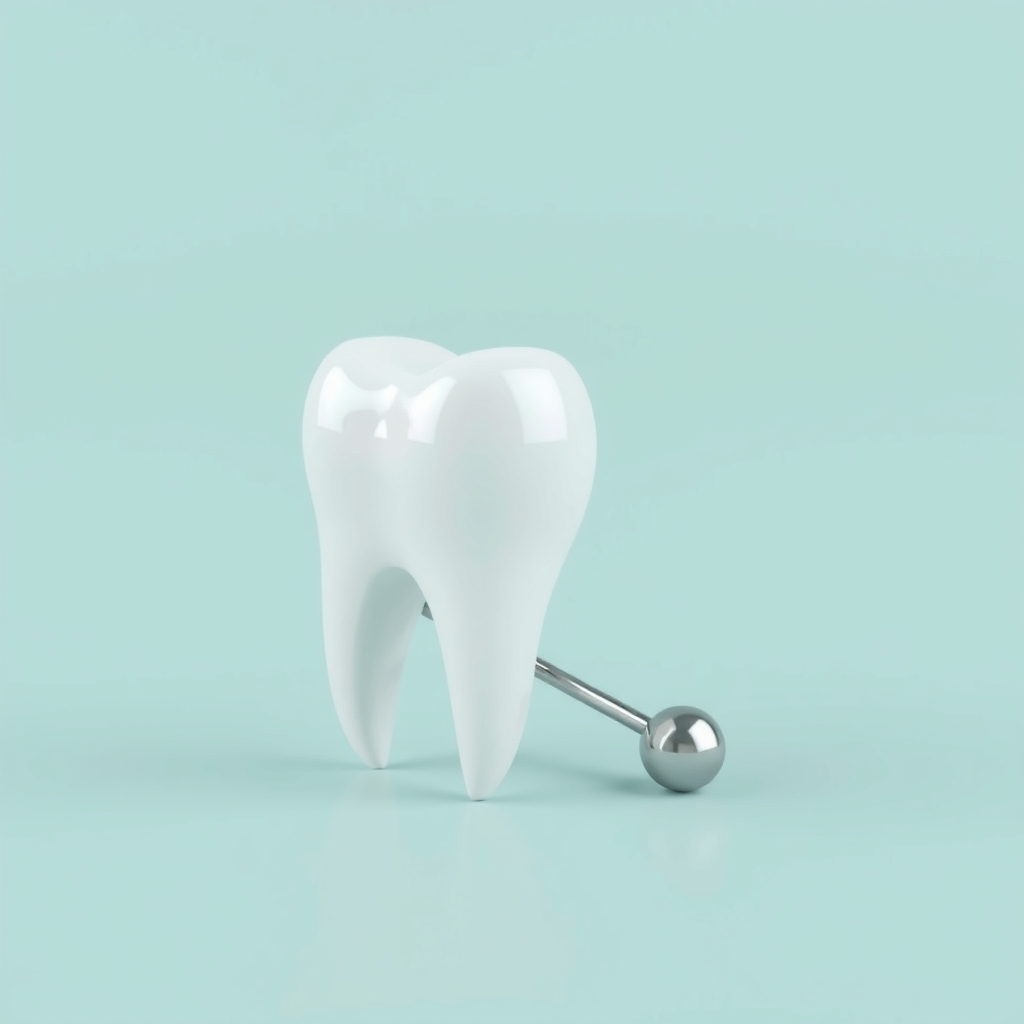
The mouth is home to constant moisture, movement, and bacteria. A piece of metal jewellery placed in the tongue, lip, or cheek is under repeated contact with teeth and soft tissue every time you talk, eat, or swallow. This can lead to gradual but real damage.
Tooth Damage
- Chipped or cracked teeth from the jewellery hitting against enamel repeatedly
- Worn down enamel from constant friction, especially with metal barbells
- Increased risk of tooth fracture if you bite down on the jewellery during sleep or stress
Gum and Tissue Problems
- Gum recession where the jewellery rubs against the gum line, especially with lip and cheek piercings
- Tissue overgrowth or scarring around the piercing site
- Increased risk of infection due to the constant presence of bacteria in the mouth
- Nerve damage or numbness, particularly with tongue piercings placed incorrectly
Other Complications
- Excessive drooling or difficulty speaking clearly in the initial healing period
- Choking risk if the jewellery becomes loose
- Prolonged bleeding or swelling, particularly with tongue piercings due to rich blood supply
How Piercings Affect Different Areas
| Piercing Type | Common Oral Health Risk |
|---|---|
| Tongue | Chipped teeth, gum recession on lower front teeth, speech changes |
| Lip | Gum recession, enamel wear on nearby teeth, tissue irritation |
| Cheek | Inner cheek scarring, contact with back teeth, salivary gland irritation |
Minimizing Risk if You Already Have an Oral Piercing
If you already have a tongue, lip, or cheek piercing, there are practical steps that can lower the chances of long-term dental damage.
Daily Care Habits
- Clean the piercing and surrounding area gently after meals with an alcohol-free antibacterial mouth rinse
- Brush and floss as usual, being gentle around the piercing site
- Avoid twisting or playing with the jewellery, especially clicking it against your teeth
- Remove the jewellery while eating, exercising, or sleeping if your piercer or dentist advises this
Choosing Safer Jewellery
- Ask about shorter barbells that reduce contact with teeth and gums once initial swelling has gone down
- Consider acrylic or plastic jewellery instead of metal to reduce enamel wear
- Check that the piercing fits snugly and does not move excessively in the mouth
Regular Dental Monitoring
Routine dental checkups are important for anyone with an oral piercing. Your dentist can check for early gum recession, small cracks in enamel, or tissue changes before they become bigger problems. Patients in Sector 45, Gurgaon can visit Smiles By Dr. T for a straightforward oral health review that includes checking the piercing site as part of a general examination.
When to See a Dentist Right Away
- Persistent swelling, pain, or pus around the piercing
- A tooth that suddenly feels sharp, chipped, or sensitive
- Gum tissue that looks like it is pulling away from a tooth
- Fever or difficulty swallowing after getting a new piercing
Oral piercings can be a personal choice, and many people wear them for years without major issues. The key is being aware of the risks, practicing good hygiene, and keeping up with regular dental visits so any early signs of damage are caught and managed before they become bigger concerns.
Have questions about your teeth?
Smiles By Dr. T · Plot No 35, Sector 45, Near ISKCON Temple, Gurgaon
Frequently asked questions
Can a tongue piercing crack my tooth?
Yes. The metal barbell can chip or crack teeth over time, especially if you click it against your teeth out of habit or bite down on it while eating or sleeping.
How long does swelling last after an oral piercing?
Tongue swelling usually peaks in the first 3 to 5 days and settles within 1 to 2 weeks. If swelling worsens, spreads, or affects breathing, seek medical care immediately.
Is it safe to keep an oral piercing forever?
It can be safer with careful habits, regular dental checkups, and choosing a shorter, well-fitted piece of jewellery. But the risk of gum recession and tooth wear continues for as long as it is worn.
Should I remove my piercing before a dental checkup?
Yes, it is best to remove it or let your dentist know so they can properly examine your gums, teeth, and the piercing site for early signs of damage.
Treatment costs mentioned on this page are indicative ranges for the Sector 45, Gurgaon region. Your exact cost depends on your case and will be confirmed after a clinical examination at the clinic.