How Tongue, Lip, and Cheek Piercings Affect Your Teeth and Gums
Oral piercings on the tongue, lip, or cheek are a popular way to express personal style, but they sit very close to teeth and gums that were never designed to handle metal jewellery moving around them all day. At Smiles By Dr. T in Sector 45, Gurgaon, we see patients with piercings who have questions about chipped teeth, receding gums, or swelling near the piercing site. This article explains the common risks and how to care for your mouth if you already have a piercing or are thinking about getting one.
Why Oral Piercings Are Hard on Your Mouth
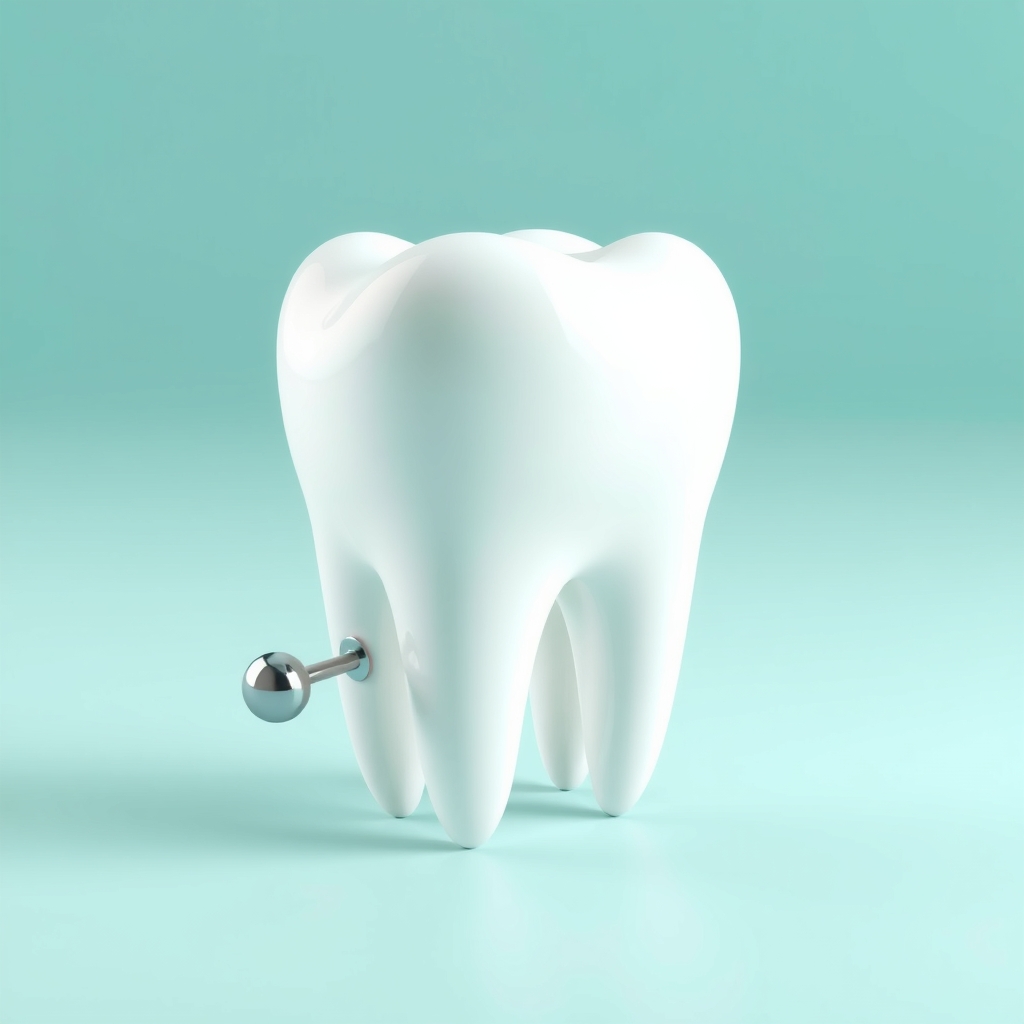
Jewellery like barbells and studs is constantly in contact with teeth, gums, and the inside of the cheek. Every time you talk, chew, or even sleep, the metal can knock against enamel or press against soft tissue. Over months and years, this repeated contact adds up.
Chipped and Cracked Teeth
A tongue or lip barbell can click against the front teeth hundreds of times a day. This repeated impact can chip enamel, crack a tooth, or wear down the biting edges. Back teeth are not immune either, since many people unconsciously bite down on the jewellery, especially during sleep or stress.
Gum Recession
Lip and cheek piercings often rub against the gum line every time the jewellery moves. This friction can wear away the gum tissue over time, exposing the tooth root underneath. Receded gums do not grow back on their own and can lead to sensitivity, a longer looking tooth, and a higher risk of decay near the root.
Infections and Swelling
The mouth carries a lot of bacteria, and a fresh piercing is essentially an open wound. Poor aftercare, touching the jewellery with unwashed hands, or using low quality metal can lead to infection, swelling, or an abscess. In rare but serious cases, swelling from a tongue piercing can affect breathing or swallowing, which needs urgent medical care.
Common Oral Piercing Risks at a Glance
| Piercing Type | Main Dental Risk | What to Watch For |
|---|---|---|
| Tongue | Chipped teeth, worn enamel | Clicking sound, rough or uneven tooth edges |
| Lip | Gum recession on front teeth | Sensitivity, gums pulling back near lower front teeth |
| Cheek | Gum irritation, tissue thickening | Persistent soreness inside the cheek |
Safer Care Tips If You Have an Oral Piercing
- Choose a smaller barbell or stud once initial swelling settles, since bulky jewellery causes more friction against teeth and gums.
- Avoid clicking or playing with the jewellery against your teeth out of habit.
- Rinse with a mild, alcohol-free antiseptic mouth rinse as advised, especially in the first few weeks after piercing.
- Brush gently around the piercing site and keep up with regular flossing to reduce bacteria buildup.
- Check the jewellery regularly for tightness, since a loose ball can be a choking risk.
- Visit your dentist if you notice a chip, sharp edge, or gum that looks like it is pulling back.
If You Are Considering a New Piercing
- Get pierced by a licensed, experienced piercer who follows strict hygiene protocols.
- Ask about jewellery material. Titanium or surgical steel tends to cause fewer reactions than lower grade metals.
- Plan for a longer healing period for tongue piercings, often several weeks, during which soft foods and careful oral hygiene matter most.
- Schedule a dental check-up soon after healing so any early enamel wear or gum changes can be spotted early.
When to See a Dentist
Book an appointment if you notice a chipped or sensitive tooth, gums that look thinner or pulled back near the piercing, ongoing bad breath despite good hygiene, or any swelling that does not improve within a couple of days. Patients in Sector 45, Gurgaon and nearby areas can visit Smiles By Dr. T for an assessment. Catching damage early usually means simpler, less costly treatment later on.
Oral piercings can be worn safely by many people, but they do carry real risks to teeth and gums that are easy to overlook day to day. A little extra care and regular dental visits go a long way in protecting your smile while you enjoy your piercing.
Have questions about your teeth?
Smiles By Dr. T · Plot No 35, Sector 45, Near ISKCON Temple, Gurgaon
Frequently asked questions
Is it safe to keep an oral piercing long term?
Many people wear oral piercings for years without major problems, but the risk of chipped teeth, gum recession, and infection rises the longer the jewellery stays in place, especially with metal barbells that repeatedly hit the teeth. Regular dental check-ups help catch early damage before it becomes serious.
Can a chipped tooth from a piercing be fixed?
Yes. Small chips can often be smoothed or repaired with bonding, while larger chips may need a crown depending on how much tooth structure is affected. Your dentist will check the extent of the damage and suggest the simplest option first.
How do I know if my piercing site is infected?
Watch for increasing swelling, pain that gets worse instead of better, pus or foul discharge, fever, or red streaks near the piercing. These signs need prompt medical attention, as oral infections can spread quickly through the soft tissue of the mouth.
Should I remove my piercing before a dental cleaning?
It is helpful to let your dentist know about the piercing beforehand. In most cases you can keep it in, but if it is a tongue piercing, you may be asked to remove or reposition the jewellery so the hygienist can clean thoroughly and check the tissue underneath.
Treatment costs mentioned on this page are indicative ranges for the Sector 45, Gurgaon region. Your exact cost depends on your case and will be confirmed after a clinical examination at the clinic.