Types of Mouthwash and How to Choose the Right One for You
Walk down any pharmacy aisle in Sector 45 and you will find rows of mouthwash bottles, each claiming to solve a different problem. Bad breath, bleeding gums, sensitive teeth, stains, dryness, the options can feel overwhelming. This guide breaks down the main types of mouthwash so you can choose one that actually fits your needs, rather than picking one at random.
Why Mouthwash Type Matters
Not all mouthwashes do the same job. Some fight bacteria, some strengthen enamel, and some are simply designed to freshen breath without treating any underlying issue. Using the wrong type will not harm you, but it may not address the problem you actually have. Understanding the categories helps you make a more informed choice, and it also helps you know when a mouthwash is not enough and a dental visit is needed.
Antiseptic Mouthwash
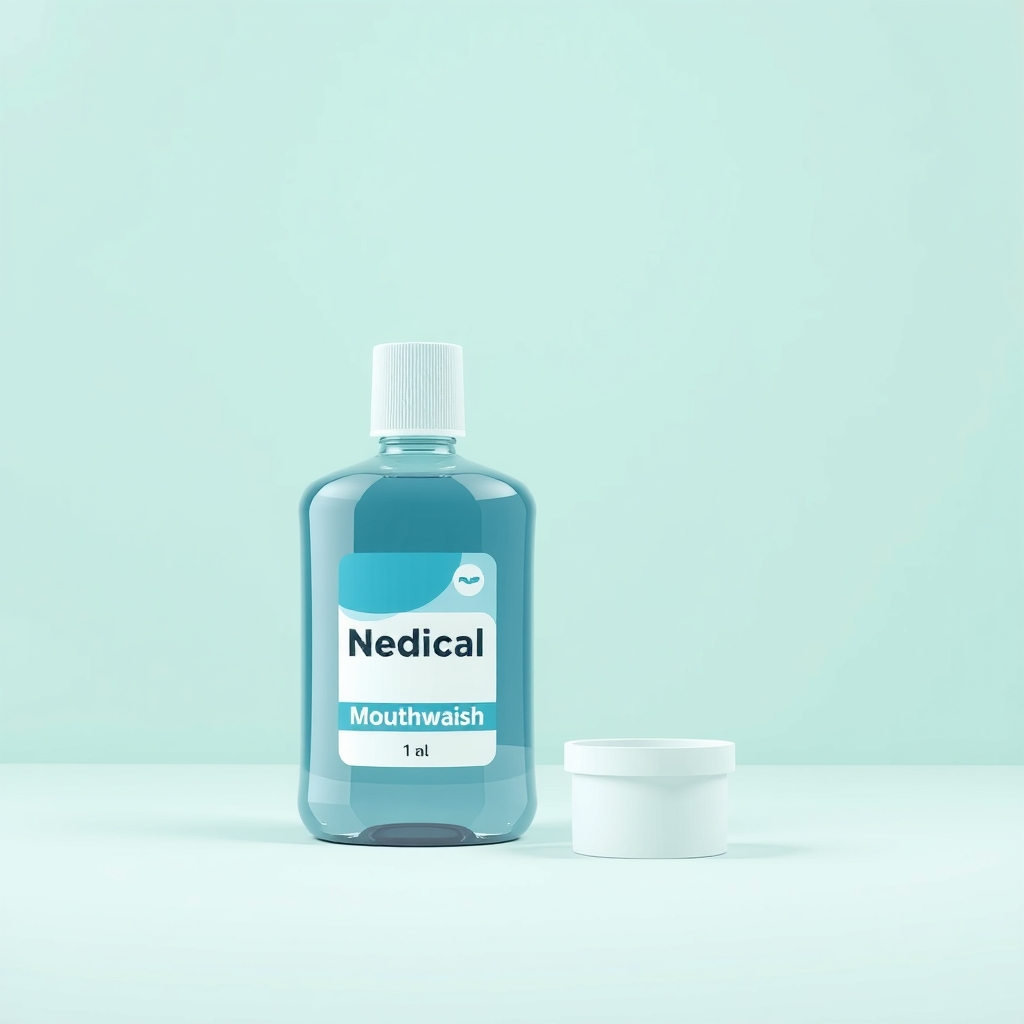
Antiseptic mouthwashes contain ingredients like chlorhexidine, cetylpyridinium chloride, or essential oils that reduce bacteria in the mouth. These are often recommended for people dealing with gum disease, bad breath caused by bacteria, or recovery after certain dental procedures.
- Best for: gum disease, gingivitis, persistent bad breath, post-surgical care
- Note: chlorhexidine-based rinses are usually prescribed for a limited period and can stain teeth with long-term use
Fluoride Mouthwash
Fluoride mouthwashes are designed to strengthen enamel and reduce the risk of cavities. They work by helping remineralise weak spots on the tooth surface before they turn into decay.
- Best for: people prone to cavities, children with adult teeth, anyone with early enamel wear
- Note: not a substitute for treating existing decay, which needs a dental evaluation
Alcohol-Free Mouthwash
Alcohol-free formulas are gentler on the soft tissues of the mouth. Traditional mouthwashes with alcohol can cause a burning sensation and dry out the mouth, which is uncomfortable for people with sensitive gums, mouth ulcers, or naturally low saliva flow.
- Best for: dry mouth, mouth ulcers, sensitive gums, daily long-term use
- Note: often combined with fluoride or antiseptic ingredients, so check the label
Natural or Herbal Mouthwash
These formulas typically use ingredients like clove, neem, tea tree oil, or salt water bases instead of stronger chemical agents. They appeal to patients looking for a milder daily rinse.
- Best for: general freshening, mild sensitivity, patients who prefer fewer synthetic ingredients
- Note: evidence for treating active gum disease or decay is limited compared to fluoride or antiseptic rinses
Choosing Based on Your Concern
| Concern | Recommended Type |
|---|---|
| Bad breath from bacteria | Antiseptic mouthwash |
| Cavity prevention | Fluoride mouthwash |
| Bleeding or swollen gums | Antiseptic, prescribed by your dentist |
| Tooth sensitivity | Alcohol-free, sensitivity-specific formula |
| Dry mouth | Alcohol-free mouthwash |
| General daily freshness | Natural or fluoride mouthwash |
Typical Costs in Sector 45, Gurgaon
Over-the-counter mouthwashes from local pharmacies in Sector 45 usually fall in a typical range of INR 90 to INR 350 per bottle depending on brand and size. Prescription-strength antiseptic rinses recommended after a dental procedure may cost more, and your dentist can guide you on the exact product suited to your treatment.
When to See a Dentist Instead of Relying on Mouthwash
Mouthwash can support your oral hygiene routine, but it will not fix underlying problems. If you notice ongoing bad breath, gum bleeding that does not improve, persistent sensitivity, or mouth sores that do not heal within two weeks, it is time for a proper check-up rather than switching mouthwash brands.
At Smiles By Dr. T, patients from Sector 45 and nearby areas often come in with these exact concerns. A quick examination can identify whether the issue is something a mouthwash can help manage or whether it needs active treatment like a cleaning, scaling, or cavity filling.
A Few Practical Tips
- Always dilute or use mouthwash as directed on the label, do not swallow it
- Wait at least 30 minutes after brushing with fluoride toothpaste before using a fluoride mouthwash, so the effects do not cancel out
- If a mouthwash causes burning, staining, or irritation, stop and consult your dentist
- Children under 6 years should generally avoid mouthwash unless specifically advised by a dentist
Have questions about your teeth?
Smiles By Dr. T · Plot No 35, Sector 45, Near ISKCON Temple, Gurgaon
Frequently asked questions
Can I use mouthwash instead of brushing?
No. Mouthwash is a supplement to brushing and flossing, not a replacement. It reaches areas a brush may miss but cannot remove plaque on its own.
Is alcohol-based mouthwash bad for my teeth?
It is not harmful to enamel, but it can cause dryness and irritation, especially for people with a dry mouth or mouth ulcers. Alcohol-free options are gentler for daily use.
How often should I use mouthwash?
Most mouthwashes are meant for one or two uses daily. Prescription antiseptic rinses are usually limited to a specific course, so follow your dentist's instructions.
Can mouthwash fix bad breath permanently?
Mouthwash masks or reduces odour temporarily. If bad breath persists, it often points to gum disease, decay, or other causes that need a dental check-up.
Treatment costs mentioned on this page are indicative ranges for the Sector 45, Gurgaon region. Your exact cost depends on your case and will be confirmed after a clinical examination at the clinic.