Mouth Taping for Sleep: Benefits and Risks Explained
If you scroll through social media, you have probably seen people taping their mouths shut before bed, claiming it improves sleep, reduces snoring, and even helps their skin. As a dental clinic serving families in Sector 45, Gurgaon, we get a lot of questions about this trend. Here is an honest, medically grounded look at what mouth taping can and cannot do for your oral health.
What Is Mouth Taping?
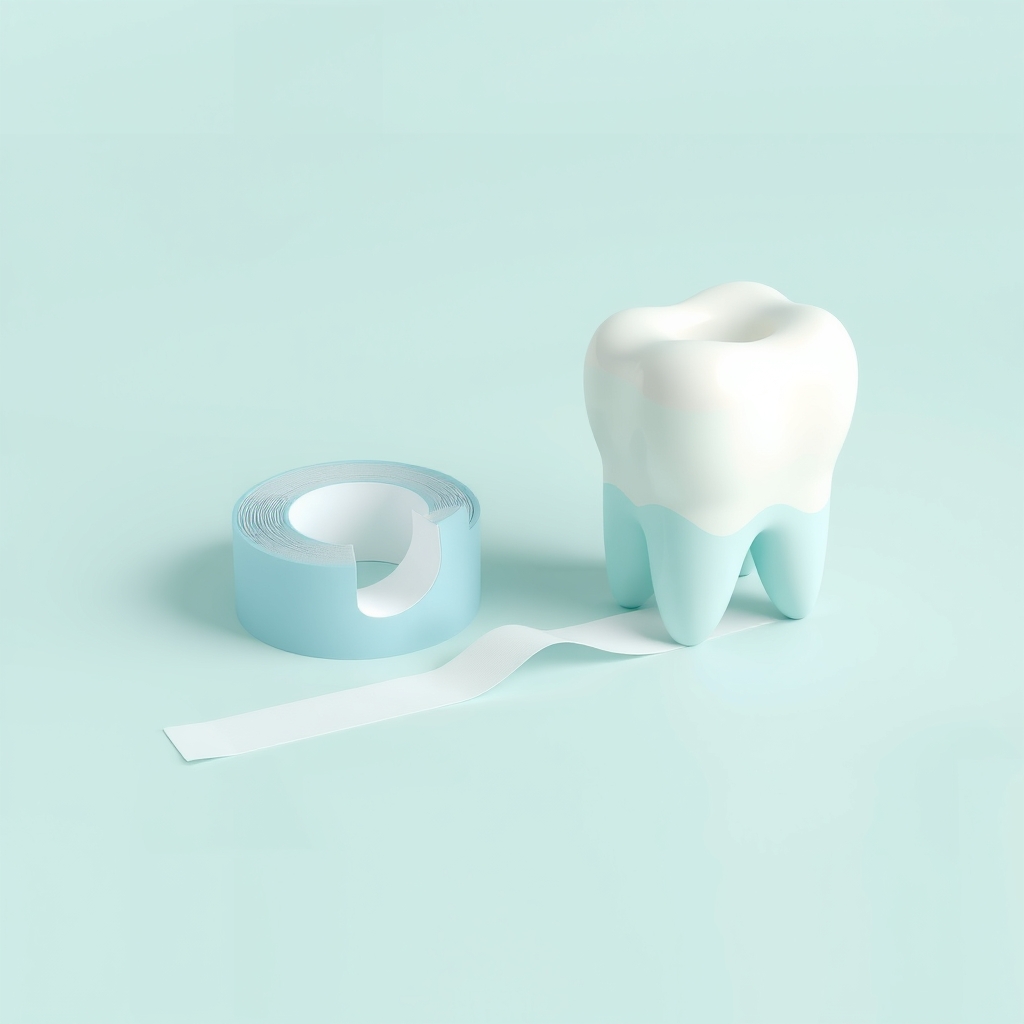
Mouth taping involves placing a strip of specialised tape over your lips before sleeping, with the goal of encouraging nasal breathing instead of breathing through the mouth. The idea is that nasal breathing filters air better, keeps the mouth moist, and may reduce snoring in some people.
The Oral Health Case For It
There is a genuine link between mouth breathing and certain dental problems. When you breathe through your mouth all night, saliva evaporates faster, and saliva is your mouth's natural defence against bacteria and acid. Reduced saliva flow can lead to:
- Dry mouth and bad breath in the morning
- Higher risk of cavities over time
- Increased chances of gum irritation and inflammation
- A sore throat or scratchy feeling upon waking
If taping genuinely helps someone shift to nasal breathing, it could, in theory, support better saliva flow and a healthier mouth environment. This is the main argument supporters make, and it has some basis in how saliva protects teeth and gums.
The Real Risks You Should Know
However, the benefits only apply if nasal breathing is actually comfortable and safe for you. For many people, it is not, and this is where mouth taping becomes risky rather than helpful.
Breathing Obstruction
If you have a blocked nose due to allergies, a deviated septum, or seasonal congestion common in Delhi NCR's dusty air, taping your mouth shut can restrict airflow dangerously. This is a serious concern for anyone with undiagnosed sleep apnea, where the airway already narrows during sleep.
Skin and Lip Irritation
Daily tape use can irritate the delicate skin around the lips, especially with repeated use or sensitive skin.
Bite and Jaw Strain
People with an uneven bite, TMJ issues, or recent orthodontic work may find that forcing the jaw into an unnatural closed position all night adds strain rather than relief.
False Sense of Security
Perhaps the biggest risk is relying on tape instead of getting checked for sleep apnea or chronic nasal blockage. These are medical conditions that need proper diagnosis, not a home remedy.
What We Recommend Instead
Rather than jumping straight to mouth taping, we suggest addressing the root cause of mouth breathing first.
- Get your nasal passages checked by an ENT specialist if you regularly breathe through your mouth
- Ask your dentist about your bite alignment and jaw position during a routine check-up
- Treat allergies or chronic congestion that force mouth breathing
- Stay hydrated through the day to support saliva production
- Consider a sleep study if you snore loudly or wake up tired despite enough hours of sleep
When Mouth Taping Might Be Reasonable
If you have a clear nasal passage, no history of sleep apnea, and want to try reducing occasional mild mouth breathing, some people use gentle, skin-safe tape made for this purpose under guidance. Even then, it should be seen as a minor sleep habit experiment, not a dental treatment.
| Situation | Is Taping Reasonable? |
|---|---|
| Diagnosed sleep apnea | No, seek medical treatment |
| Chronic nasal congestion | No, treat the congestion first |
| Mild occasional mouth breathing, clear nose | Possibly, with caution |
| Braces or recent dental work | Check with your dentist first |
Talk To Your Dentist First
At Smiles By Dr. T in Sector 45, Gurgaon, we often spot early signs of mouth breathing during routine check-ups, things like dry gum tissue, increased plaque buildup, or a particular pattern of wear on teeth. If you are considering mouth taping or notice symptoms of chronic mouth breathing, it is worth having a conversation with us before trying home remedies. We can help identify whether the issue is dental, structural, or something that needs an ENT referral.
Good sleep and good oral health go hand in hand, but the safest path is addressing the underlying cause rather than masking the symptom with tape.
Have questions about your teeth?
Smiles By Dr. T · Plot No 35, Sector 45, Near ISKCON Temple, Gurgaon
Frequently asked questions
Does mouth taping actually improve sleep quality?
Some people report lighter snoring and better rest, but there is limited strong clinical evidence. Any improvement may come from switching to nasal breathing, not the tape itself. If you snore heavily or stop breathing at night, see a doctor instead of relying on tape.
Can mouth taping damage teeth or gums?
If your bite is misaligned, you have gum disease, or you cannot breathe through your nose easily, taping can cause discomfort, skin irritation, or a restless night as your body fights for air. It will not directly damage enamel, but poor sleep posture and mouth strain can affect jaw muscles over time.
Who should avoid mouth taping?
Avoid it if you have nasal congestion, sleep apnea, allergies, or any breathing difficulty. People with braces, dentures, or recent dental work should check with their dentist first. Children should never be taped without medical guidance.
Is mouth taping a substitute for treating sleep apnea?
No. Mouth taping is not a medical treatment for sleep apnea and should never replace a proper diagnosis or prescribed therapy like a CPAP machine or dental sleep appliance.
Treatment costs mentioned on this page are indicative ranges for the Sector 45, Gurgaon region. Your exact cost depends on your case and will be confirmed after a clinical examination at the clinic.