Manual vs Electric Toothbrush: A Simple Comparison Guide
One of the most common questions we hear at our Sector 45 clinic is simple: should I switch to an electric toothbrush, or is my regular manual brush good enough? Both can give you a healthy, clean mouth if used correctly. This guide breaks down the real differences so you can choose what suits your budget, habits, and oral health needs.
How They Compare on Effectiveness
Research generally shows that oscillating-rotating electric toothbrushes remove slightly more plaque and reduce gum inflammation a bit more than manual brushes over months of use. The difference is modest, not dramatic. What matters far more is technique: brushing for a full two minutes, covering all surfaces, and not scrubbing too hard.
An electric brush can help people who struggle with technique, such as children, older adults, or those with limited hand mobility due to arthritis. Built-in timers and pressure sensors take some of the guesswork out of brushing.
Manual Toothbrushes
- Fully rely on your own brushing motion and duration
- Easy to travel with, no charging needed
- Widely available and simple to replace
- Good results when used with correct technique for two minutes
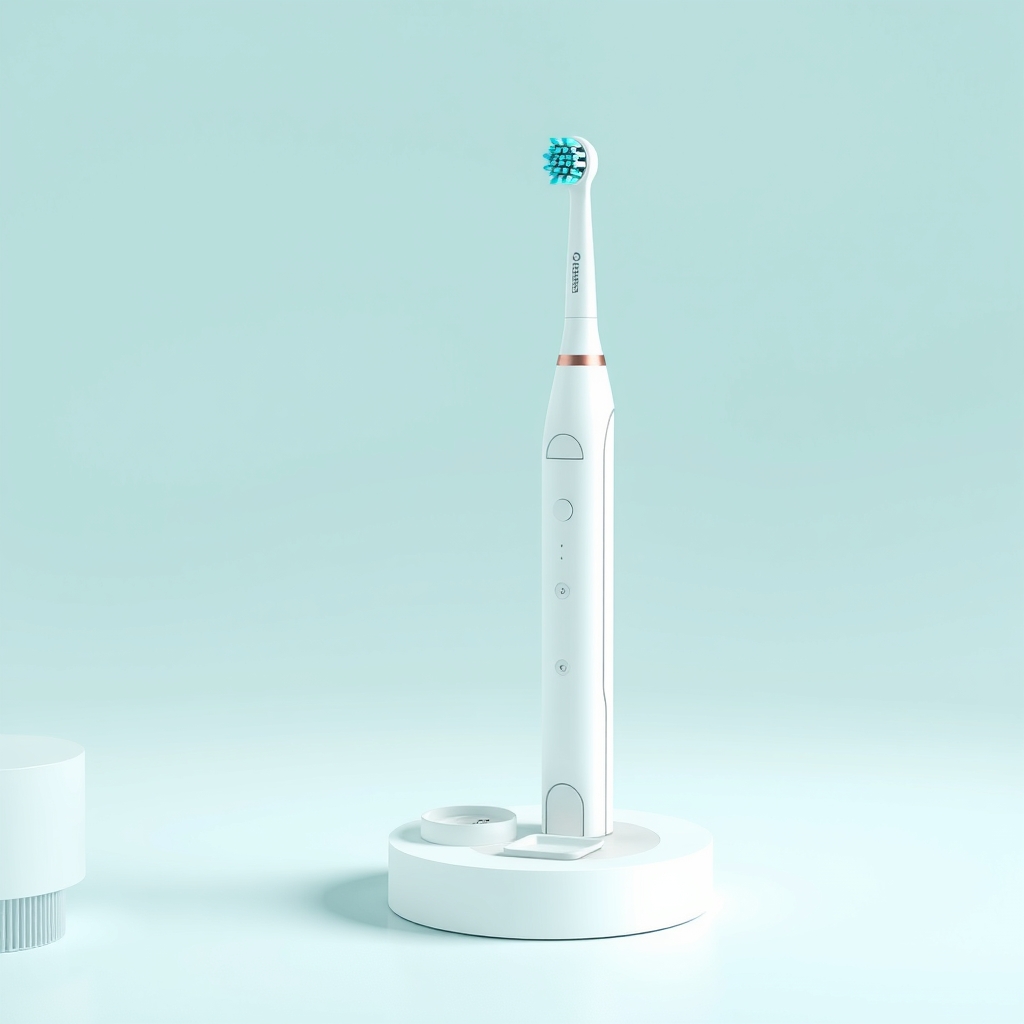
Electric Toothbrushes
- Timers help ensure you brush for the recommended two minutes
- Pressure sensors alert you if you are brushing too hard
- Consistent brush stroke pattern, useful if your technique is inconsistent
- Can be motivating for children and teens with braces
Cost Comparison
Cost is often the deciding factor for many patients in Sector 45. Here is a general idea of what to expect, though actual prices vary by brand and features.
| Type | Typical Range (INR) | Ongoing Cost |
|---|---|---|
| Basic manual toothbrush | Rs 30 to Rs 150 | Replace every 3 months |
| Mid-range manual (soft bristle, ergonomic) | Rs 100 to Rs 300 | Replace every 3 months |
| Entry-level electric brush | Rs 1,000 to Rs 3,000 | Brush heads Rs 150 to Rs 400 each |
| Advanced electric brush (app-connected, multiple modes) | Rs 4,000 to Rs 12,000+ | Brush heads Rs 300 to Rs 600 each |
These are typical ranges seen in Gurgaon pharmacies and stores, not fixed prices. Electric brushes have a higher upfront cost and ongoing spend on replacement heads, while manual brushes remain the more budget-friendly choice.
Which One Suits Your Needs
Choose a Manual Toothbrush If
- You already brush thoroughly for two minutes with gentle pressure
- You are on a tight budget or need something simple for travel
- You prefer a straightforward routine without charging or batteries
Choose an Electric Toothbrush If
- You tend to brush too hard or too briefly
- You have braces, implants, or find manual brushing difficult due to joint pain
- You have gum disease or early gum recession and need gentler, more consistent pressure
- You want built-in reminders to replace habits like rushing through brushing
Special Considerations for Gum and Tooth Sensitivity
If you have sensitive teeth or receding gums, a soft-bristled brush, manual or electric, paired with gentle technique matters most. Electric brushes with pressure sensors can be genuinely helpful here, as they stop you from pressing too hard, a common cause of enamel wear and gum recession over time.
For patients with braces or dental work, some electric brush heads are designed specifically for orthodontic care, making cleaning around brackets easier.
Our Recommendation
There is no single right answer for everyone. If you already brush well and are consistent, a good manual brush works fine. If you struggle with timing, pressure, or have specific dental conditions, an electric brush may offer helpful support. The most important factors remain the same regardless of brush type: brush twice daily for two minutes, use fluoride toothpaste, and do not skip flossing.
If you are unsure which option fits your specific oral health situation, our team at Smiles By Dr. T near ISKCON Temple, Sector 45, Gurgaon can guide you during your next check-up based on your gum health, enamel condition, and daily habits.
Have questions about your teeth?
Smiles By Dr. T · Plot No 35, Sector 45, Near ISKCON Temple, Gurgaon
Frequently asked questions
Is an electric toothbrush really better than a manual one?
Studies show electric brushes, especially oscillating-rotating types, can reduce plaque and gum inflammation slightly more than manual brushes over time. But a manual brush used correctly for two minutes twice a day works very well too. Technique matters more than the type of brush.
Can children use electric toothbrushes?
Yes, many kid-friendly electric brushes with timers and softer bristles are available. They can make brushing more engaging for children, but supervision is still needed to ensure proper technique and duration.
How often should I change my toothbrush or brush head?
Every 3 months, or sooner if the bristles fray. This applies to both manual brushes and electric brush heads. Worn bristles clean less effectively and can be harder on your gums.
Will an electric toothbrush help with sensitive teeth or gum disease?
Electric brushes with pressure sensors can help prevent aggressive brushing, which is a common cause of gum recession and sensitivity. If you have gum disease or sensitivity, ask us at your next visit for a personalised recommendation.
Treatment costs mentioned on this page are indicative ranges for the Sector 45, Gurgaon region. Your exact cost depends on your case and will be confirmed after a clinical examination at the clinic.