Impacted Canine Teeth: Why They Happen and How They Are Treated
Parents in Sector 45 often come to us with the same worry: their teenager's baby canine tooth is still sitting there, or there is a visible gap where the adult canine should have come in by now. This is usually a sign of an impacted canine, meaning the tooth is stuck under the gum or bone and has not erupted on its own. It is a common dental issue and very manageable when caught early.
Why Canine Teeth Get Stuck
The upper canine, also called the eye tooth, has one of the longest and most complicated paths to travel before it reaches the mouth. It starts high up near the cheekbone and has to move down and forward into its place in the dental arch. Because of this long journey, it is the tooth most commonly affected by impaction, second only to wisdom teeth.
- Not enough space: A crowded jaw leaves no room for the canine to erupt properly.
- Baby tooth hanging around too long: If the baby canine does not fall out on time, it can block the adult tooth's path.
- Wrong angle of growth: The tooth bud may be tilted or positioned too far from its intended spot.
- Extra teeth or growths: Rarely, an extra tooth or a cyst blocks the path.
- Genetics: Impacted canines can run in families, so if a parent had this issue, children should be checked earlier.
Warning Signs to Watch For
Since the tooth is hidden under the gum, impaction does not always cause pain, which is why it often goes unnoticed until a routine checkup or an X-ray. Still, there are signs parents and teens can look out for.
- The baby canine is still present and not loosening around age 12 to 13.
- A gap or empty space where the adult canine should be, with no sign of it pushing through.
- A noticeable bump or hard swelling in the gum above the front teeth.
- Neighbouring teeth tilting or drifting into the empty space.
- Delayed eruption compared to the same tooth on the opposite side of the mouth.
If you notice any of these, it is worth getting a dental check rather than waiting, since early action gives far more treatment options.
How Impacted Canines Are Diagnosed
A clinical exam along with an X-ray, usually an OPG or in some cases a 3D scan, helps the dentist see exactly where the tooth is sitting, which direction it is angled, and how close it is to neighbouring roots. This picture decides which treatment route makes the most sense.
Treatment Options
Watchful Monitoring
If a child is young and the canine is simply running a bit late, the dentist may suggest monitoring with periodic X-rays before jumping into any procedure.
Space Creation and Guidance
If crowding is the main issue, creating space using orthodontic appliances can sometimes allow the canine to erupt naturally on its own, without further intervention.
Surgical Exposure
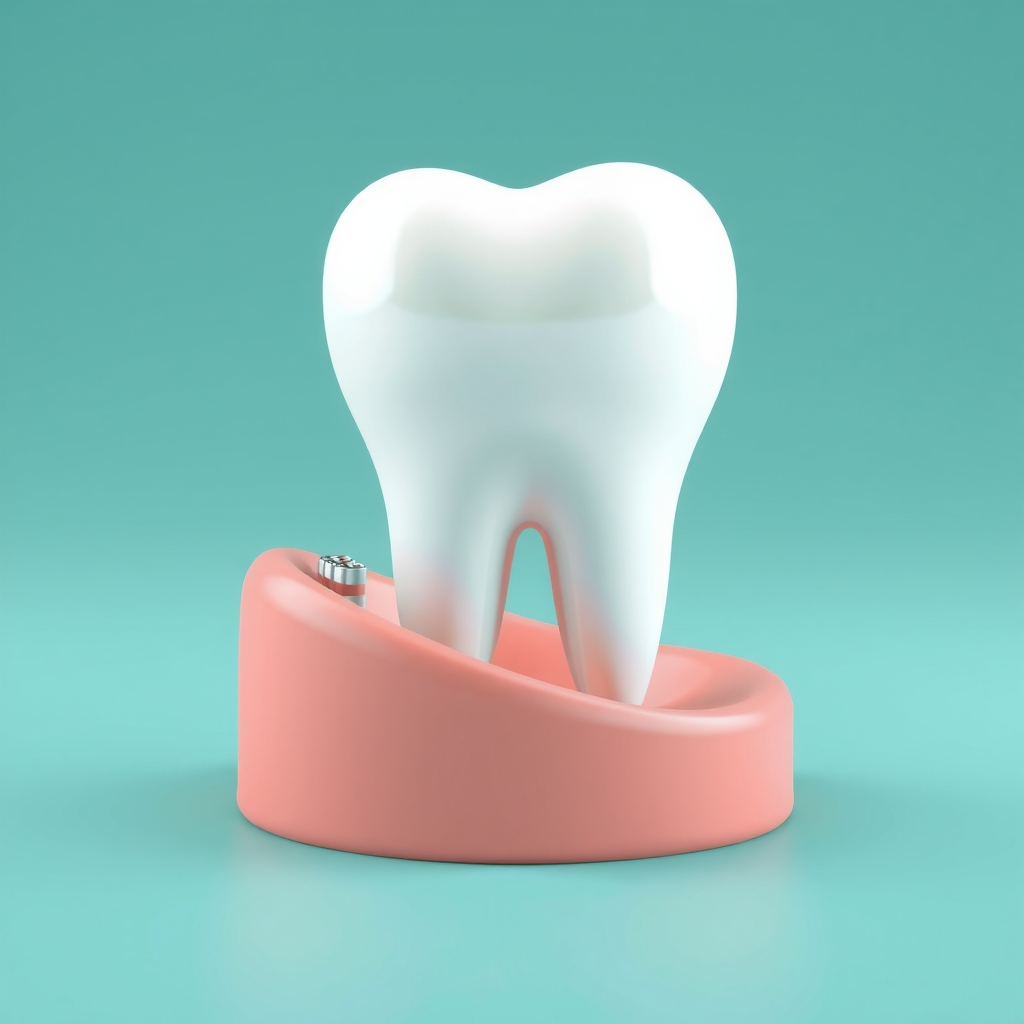
When the tooth is impacted and unlikely to come through by itself, a minor surgical procedure exposes the crown of the tooth under the gum. A small bracket and chain are often attached at the same time.
Orthodontic Guidance
Once exposed, the chain is connected to braces or an aligner system, and the orthodontist gently guides the tooth into its correct position over several months. This combined surgical and orthodontic approach is the standard modern treatment and has a high success rate when done at the right age.
Extraction, in Rare Cases
If the tooth is severely misplaced, has damaged root resorption, or guidance is not feasible, extraction followed by orthodontic space closure or a prosthetic replacement may be recommended.
| Treatment | Typical Range (INR) |
|---|---|
| Diagnostic X-ray / OPG | 800 to 2,000 |
| Surgical exposure of impacted canine | 8,000 to 18,000 |
| Orthodontic guidance (per phase) | 25,000 to 70,000 |
These are typical ranges for patients in Sector 45, Gurgaon, and actual costs depend on complexity and the treatment plan your dentist suggests after examination.
Why Early Detection Matters
The longer an impacted canine stays hidden, the more it can affect the roots of neighbouring teeth and reduce the chances of simple, non-surgical correction. A dental check around age 10 to 11, even without any visible problem, allows the dentist to catch an impaction early through X-rays and plan the gentlest possible treatment.
If your child's canine seems to be taking too long, or you have noticed a gum bump or lingering baby tooth, visit us at Smiles By Dr. T, Plot No 35, Sector 45, near ISKCON Temple, Gurgaon. Call +91 79482 24068 to book a check and get clarity on the next steps.
Have questions about your teeth?
Smiles By Dr. T · Plot No 35, Sector 45, Near ISKCON Temple, Gurgaon
Frequently asked questions
At what age should I worry if the canine tooth has not come in?
Canines usually erupt between 11 and 13 years. If your child is around 13 to 14 and the canine still has not appeared, or the baby canine is still firmly in place with no movement, it is a good time to get an X-ray to check its position.
Can an impacted canine be fixed without surgery?
In many cases found early, the dentist can guide eruption using space-maintaining appliances or by removing the baby tooth, without needing surgical exposure. Early detection matters a lot here.
Does treatment for an impacted canine hurt?
The exposure procedure is done under local anaesthesia so you should not feel pain during it. Mild soreness for a few days afterward is normal and manageable with the medication the dentist prescribes.
Will my child definitely need braces if a canine is impacted?
Most cases do need some orthodontic guidance to bring the tooth into its correct position, but the extent varies. Some children need only a short course of alignment, while others need a fuller orthodontic plan.
Treatment costs mentioned on this page are indicative ranges for the Sector 45, Gurgaon region. Your exact cost depends on your case and will be confirmed after a clinical examination at the clinic.