How to Floss Correctly: Step-by-Step Guide to Preventing Cavities and Gum Disease
Brushing alone cleans only about 60 percent of your tooth surfaces. The tight spaces between teeth, where a toothbrush cannot reach, are where plaque quietly builds up and causes cavities and gum disease. Flossing is the simple daily habit that cleans those hidden spaces, and doing it correctly makes all the difference. Here is a clear, step-by-step guide from our team at Smiles By Dr. T in Sector 45, Gurgaon.
Why Daily Flossing Matters
Plaque is a soft, sticky film of bacteria that forms on teeth every day. Left undisturbed between teeth, it hardens into tartar within 24 to 72 hours and begins to irritate the gums. This is how gum disease starts, and it is also how cavities form between teeth, an area that is hard to spot in a mirror and often missed until decay is advanced.
Daily flossing physically removes this plaque before it hardens, reducing your risk of cavities, gum inflammation, and bad breath. Many patients we see in Sector 45 have healthy-looking front teeth but early decay between molars, simply because that area was never flossed properly.
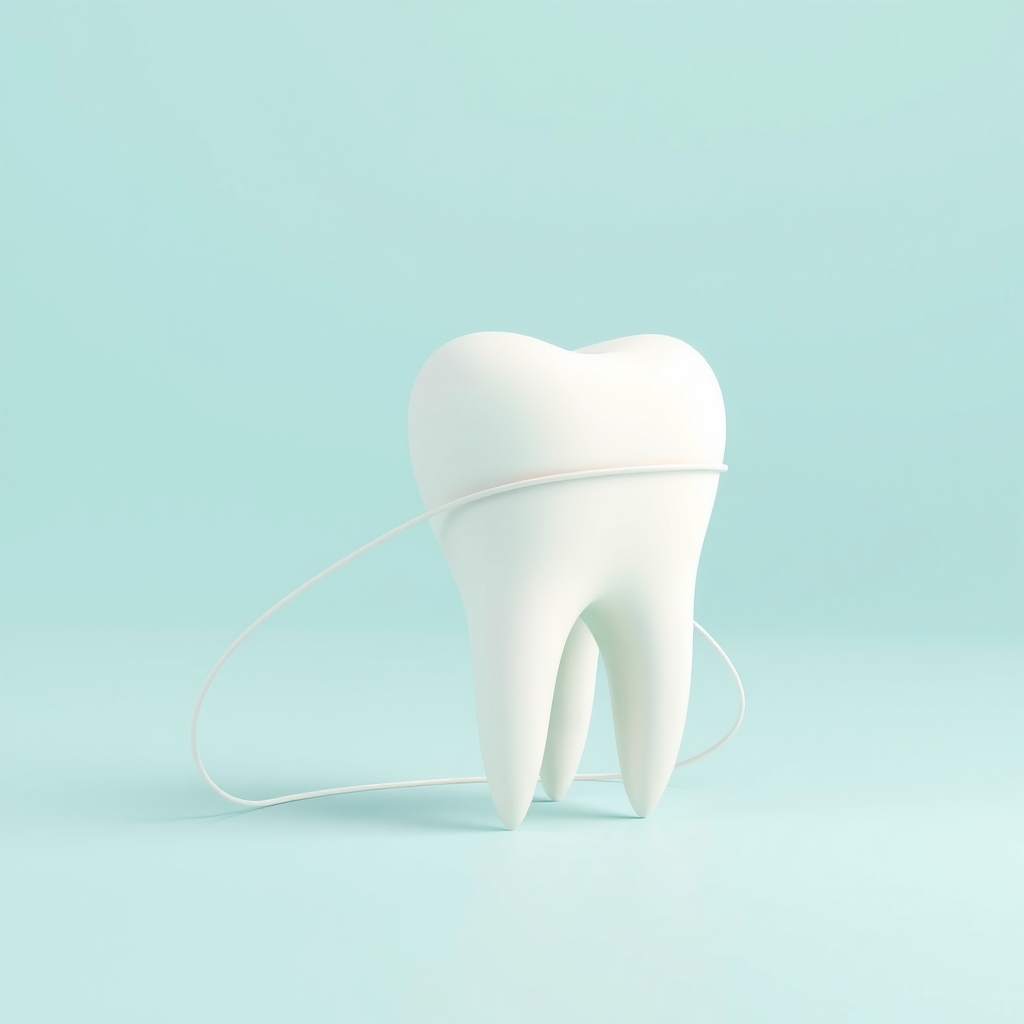
Step-by-Step Flossing Technique
- Break off about 45 cm (18 inches) of floss and wind most of it around your middle fingers, leaving about 3 to 4 cm to work with.
- Hold the floss tightly between your thumbs and index fingers, guiding it gently between two teeth using a back-and-forth motion. Do not snap it down onto the gums.
- Curve the floss into a C-shape against one tooth and slide it gently under the gumline.
- Move the floss up and down against the side of the tooth, 4 to 6 times, to scrape off plaque.
- Repeat the C-shape curve against the neighbouring tooth before moving to the next gap.
- Use a fresh section of floss as you move along, since used floss carries bacteria to the next space.
- Finish by rinsing your mouth with water to clear away loosened debris.
Common Flossing Mistakes
Snapping the Floss Between Teeth
Forcing floss down quickly can cut and bruise the gums. Always guide it in slowly with a gentle sawing motion.
Skipping the Gumline Curve
Simply running floss straight up and down misses the plaque hiding just below the gum edge, which is exactly where gum disease begins. The C-shape curve is essential.
Reusing the Same Floss Section
Using one dirty section for every gap just moves bacteria around your mouth instead of removing it.
Flossing Too Hard or Too Fast
Rushing leads to sore, bleeding gums and often means teeth are not actually being cleaned properly. Slow, deliberate movements work better.
Giving Up After Bleeding
Some initial bleeding is common if gums are inflamed, but it should reduce within one to two weeks of consistent, gentle flossing. Persistent bleeding needs a dental check.
Choosing the Right Floss or Tool
| Tool | Best For |
|---|---|
| Waxed floss | Tight spaces between teeth, beginners |
| Unwaxed floss | Wider gaps, experienced users |
| Floss picks | Quick use, travel, children under supervision |
| Water flosser | Braces, bridges, implants, limited hand dexterity |
| Interdental brushes | Larger gaps between teeth or under bridges |
If you find traditional floss difficult to handle, a water flosser or interdental brush can be equally effective when used daily and correctly.
When to See a Dentist
Flossing at home prevents most cavities and gum problems, but it cannot remove tartar that has already hardened. A professional cleaning every six months removes what home care cannot, and lets us catch small issues early. If you notice persistent bleeding, bad breath, or gum swelling despite regular flossing, it is worth visiting our clinic in Sector 45, Gurgaon, near ISKCON Temple, for an assessment. You can reach us at +91 79482 24068 to book a visit.
Have questions about your teeth?
Smiles By Dr. T · Plot No 35, Sector 45, Near ISKCON Temple, Gurgaon
Frequently asked questions
Should I floss before or after brushing?
Either order works as long as you floss thoroughly. Flossing first lets brushing wash away loosened debris, but the most important thing is doing both once a day, every day.
Why do my gums bleed when I floss?
Mild bleeding in the first week of flossing usually means gums are inflamed from plaque buildup, not that flossing is harming you. If bleeding continues beyond two weeks, visit our clinic in Sector 45 for a check-up.
Can mouthwash replace flossing?
No. Mouthwash freshens breath and reduces bacteria on surfaces it reaches, but it cannot physically remove plaque wedged between teeth the way floss does.
How often should I floss?
Once a day is enough for most people. Consistency matters more than frequency, so pick a time you will stick to, such as before bed.
Treatment costs mentioned on this page are indicative ranges for the Sector 45, Gurgaon region. Your exact cost depends on your case and will be confirmed after a clinical examination at the clinic.