Does Activated Charcoal Toothpaste Actually Whiten Teeth Safely?
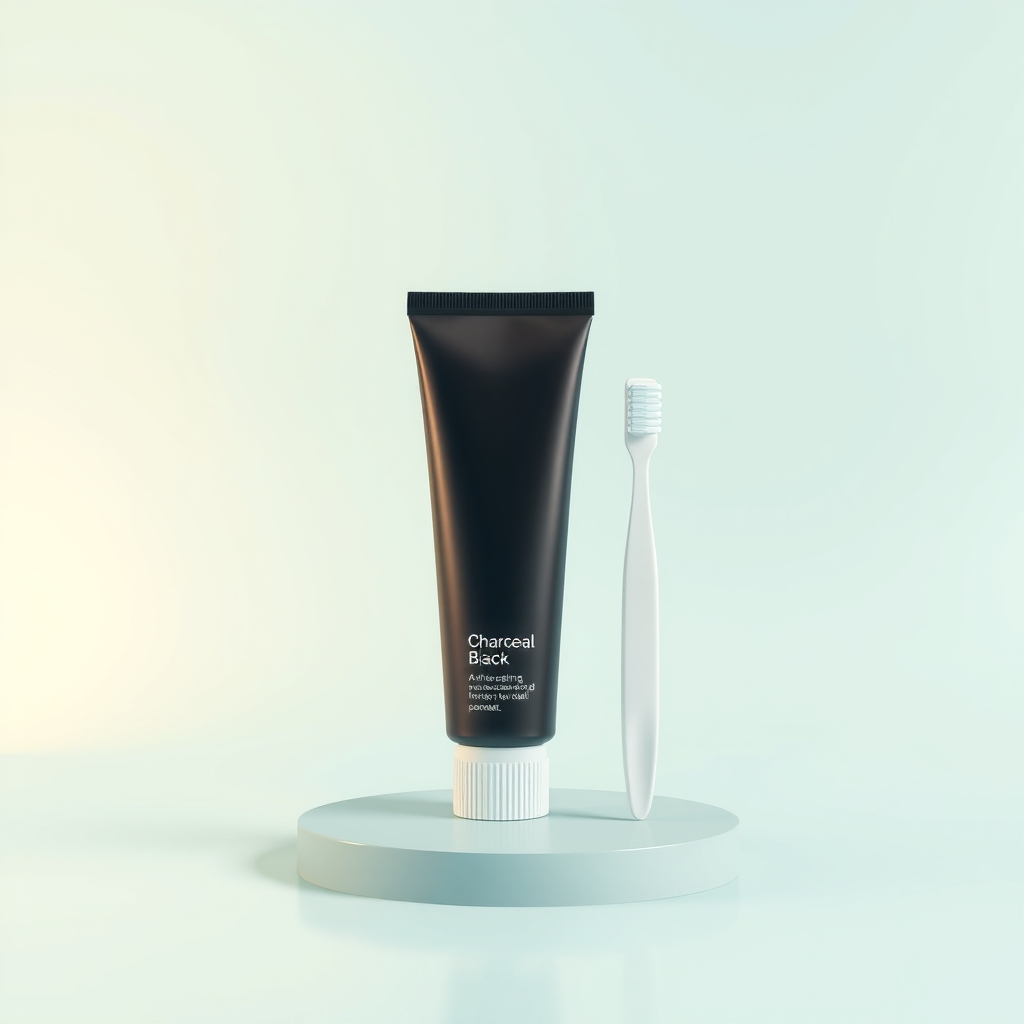
Activated charcoal toothpaste and tooth powders have become popular on social media, promising a brighter smile without a dental visit. If you live in Sector 45, Gurgaon, and have seen these products online or at a local pharmacy, it is worth understanding what the science actually says before you add one to your routine.
What Is Activated Charcoal and How Is It Supposed to Work?
Activated charcoal is a fine black powder made by heating materials like coconut shells or wood at high temperatures. It is highly porous, which means it can bind to certain substances on contact. Manufacturers claim this binding action helps pull stains and toxins off your teeth, leaving them looking whiter and cleaner.
In reality, most of the whitening effect comes from simple abrasion. The gritty texture of charcoal particles scrubs away surface stains from coffee, tea, or tobacco, similar to how a mildly abrasive scrub works on skin. It does not chemically bleach teeth the way professional whitening agents do.
What Does the Research Actually Show?
Several dental research reviews have looked at charcoal-based oral care products, and the findings are fairly consistent:
- There is limited scientific evidence to support claims that charcoal toothpaste whitens teeth more effectively than regular toothpaste.
- Most charcoal products lack fluoride, which is essential for cavity prevention and enamel strength.
- Long-term safety data is still lacking, since most studies have been short-term and small in scale.
- Charcoal particles can sometimes get trapped in tiny cracks or along the gumline, which may look unattractive rather than clean.
In short, charcoal toothpaste may offer a temporary polish, but it does not match the results of dentist-supervised whitening treatments.
Can Charcoal Toothpaste Damage Your Enamel?
This is the more important question. Enamel is the hard outer layer that protects your teeth, and unlike skin, it does not regenerate once it wears away. Many charcoal toothpastes have a higher abrasiveness level, measured by a scale called RDA (Relative Dentin Abrasivity), than standard fluoride toothpastes.
Using a highly abrasive paste daily, especially with a firm brushing technique, can gradually thin the enamel. Once enamel wears down, the yellowish dentin layer underneath becomes more visible, which can actually make teeth look more yellow over time, not whiter. Thin enamel can also increase sensitivity to hot, cold, or sweet foods.
Signs You May Be Overdoing It
- Increased sensitivity to cold drinks or ice cream
- Teeth appearing more yellow despite regular brushing
- Rough or uneven feeling on the tooth surface
- Black staining along the gumline that will not brush away
If you notice any of these signs, it is a good idea to stop using the product and get your enamel checked at a dental clinic.
Safer Ways to Brighten Your Smile
If your goal is a brighter, cleaner-looking smile, there are gentler and more predictable options:
- Fluoride toothpaste with mild whitening agents for everyday use
- Regular professional cleanings to remove surface tartar and stains
- Dentist-supervised whitening trays or in-clinic whitening for noticeable, even results
- Cutting back on staining drinks like tea, coffee, and red wine
A Quick Comparison
| Method | Whitening Effect | Enamel Safety |
|---|---|---|
| Charcoal toothpaste | Mild, surface only | Can be abrasive with regular use |
| Fluoride whitening toothpaste | Mild to moderate | Generally safe for daily use |
| Professional whitening | Noticeable, even | Safe when supervised by a dentist |
Our Honest Recommendation
Charcoal toothpaste is not necessarily harmful in small, occasional amounts, but it is not the miracle whitening solution it is often marketed as. For patients in Sector 45, Gurgaon, who want a safer path to a brighter smile, we recommend a dental check-up first. This helps us assess your enamel condition and stain type, so you get a whitening approach that actually works instead of a trendy product that may do more harm than good over time.
If you are unsure whether your current oral care routine is right for you, the team at Smiles By Dr. T is happy to guide you through safe, evidence-based options.
Have questions about your teeth?
Smiles By Dr. T · Plot No 35, Sector 45, Near ISKCON Temple, Gurgaon
Frequently asked questions
Can charcoal toothpaste remove deep stains from coffee or tobacco?
It may lighten surface stains slightly through abrasive scrubbing, but it cannot remove stains that sit within the tooth structure. Deep or old stains usually need professional whitening treatments.
Is it safe to use charcoal toothpaste every day?
Most dentists advise against daily use because repeated abrasion can wear down enamel over months. If you choose to try it, limit use to two or three times a week and watch for sensitivity.
Will charcoal toothpaste damage dental work like crowns or veneers?
It can dull the polished surface of crowns, veneers, and bonding over time, making them look duller than natural teeth. It is best avoided if you have significant dental work in your smile zone.
What is a safer alternative for whitening teeth at home?
Fluoride toothpastes with gentle whitening agents, or professional take-home whitening trays fitted by a dentist, are generally safer and give more predictable, even results.
Treatment costs mentioned on this page are indicative ranges for the Sector 45, Gurgaon region. Your exact cost depends on your case and will be confirmed after a clinical examination at the clinic.