Sensitive Teeth: Why Hot, Cold or Sweet Foods Cause Pain
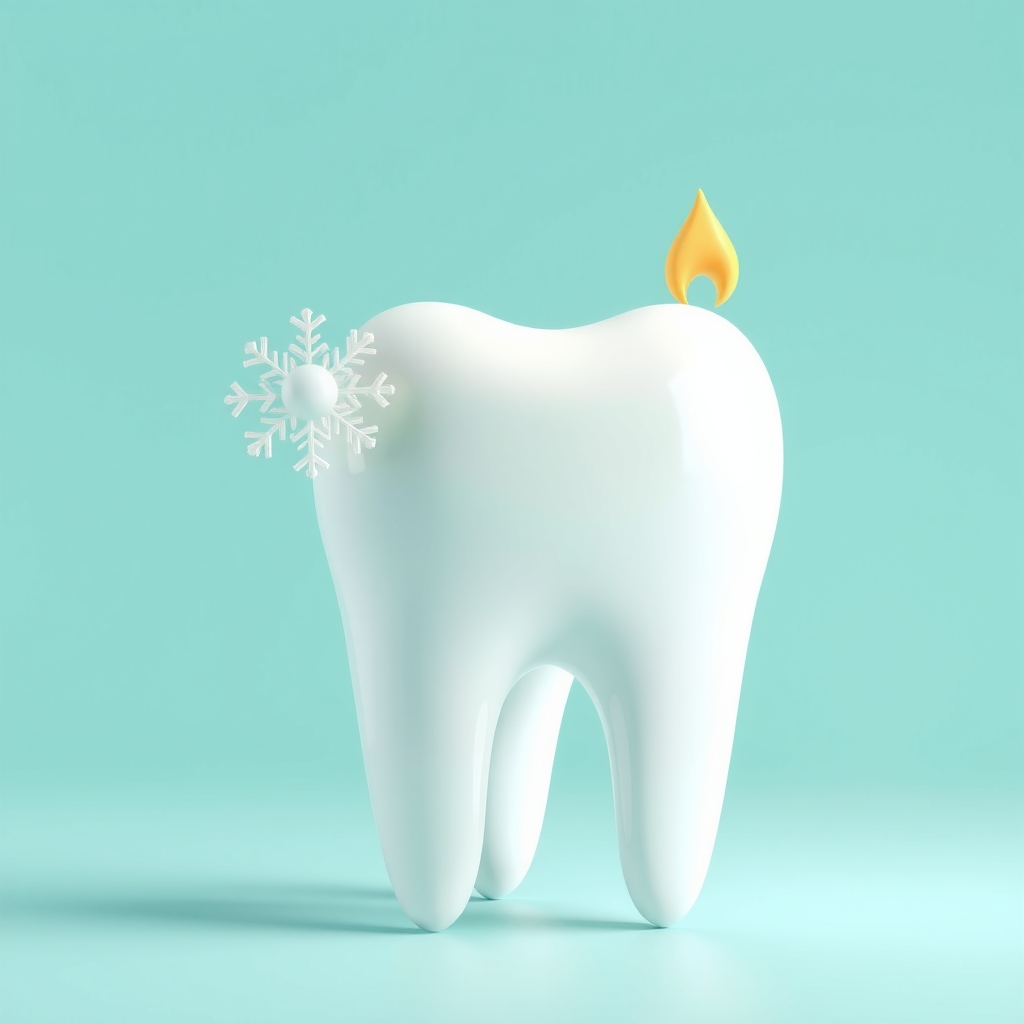
If a sip of hot tea, a spoon of ice cream or a bite of something sweet sends a sudden sharp twinge through your tooth, you are dealing with tooth sensitivity. It is one of the most common dental complaints we hear from patients across Sector 45, Gurgaon, and while it can be uncomfortable, it is usually manageable once the cause is identified.
What Causes Sensitive Teeth
Underneath the hard enamel of your teeth lies a softer layer called dentin, which contains thousands of microscopic tubules connected to the nerve. When enamel or gum tissue wears away and exposes this dentin, temperature changes and sugary foods can stimulate the nerve, causing that quick, sharp pain.
Common Reasons for Exposed Dentin
- Enamel wear: Brushing too hard, acidic foods and drinks, or grinding teeth at night can gradually thin enamel.
- Gum recession: Gums pulling back due to gum disease or aggressive brushing exposes the tooth root, which has no enamel covering.
- Tooth decay: Cavities create direct pathways to the sensitive inner layers of a tooth.
- Cracked or chipped teeth: Small cracks can let temperature and pressure reach the nerve.
- Recent dental work: Mild, temporary sensitivity after fillings, cleaning or whitening is common and usually settles within a few days to weeks.
- Teeth whitening products: Some whitening kits and toothpastes can cause short-term sensitivity, especially with overuse.
Home Care That Genuinely Helps
Many cases of mild sensitivity respond well to simple changes at home. These steps are safe to try before considering a dental visit.
- Switch to a soft-bristled toothbrush and use gentle, circular motions instead of harsh back-and-forth scrubbing.
- Use a toothpaste designed for sensitive teeth containing potassium nitrate or stannous fluoride. It usually takes two to four weeks of consistent use to notice real improvement.
- Avoid brushing immediately after consuming acidic foods or drinks like citrus fruits, soda or wine. Rinse with water first and wait at least 30 minutes.
- Limit frequent snacking on sugary or acidic items, which can gradually erode enamel over time.
- If you grind your teeth at night, ask your dentist about a night guard to protect enamel from further wear.
- Use lukewarm water for rinsing instead of very hot or very cold water when sensitivity flares up.
When Home Care Is Not Enough
Sensitivity that is mild, occasional and improving with home care is generally not a cause for alarm. However, certain signs suggest it is time to book an appointment rather than wait it out.
- Pain that lasts more than a few seconds after the hot, cold or sweet trigger is removed
- Sensitivity in just one specific tooth rather than several
- Pain when biting down or chewing
- Visible dark spots, chips or cracks on the tooth
- Sensitivity that has been present for more than two to three weeks despite using desensitising toothpaste
- Swelling, bleeding gums or bad breath alongside the sensitivity
These symptoms can point to decay, a cracked tooth, gum disease or a failing filling, all of which need proper diagnosis. At our clinic near ISKCON Temple in Sector 45, Gurgaon, we typically start with a clinical exam and, if needed, an X-ray to pinpoint the exact cause before recommending treatment.
How Dentists Treat Persistent Sensitivity
| Cause Identified | Common Treatment Approach |
|---|---|
| Early enamel wear | In-office desensitising gel or fluoride varnish application |
| Gum recession | Gum treatment, and in advanced cases, gum grafting |
| Small cavity | Tooth-coloured filling |
| Cracked tooth | Bonding, crown, or further evaluation depending on crack depth |
| Grinding-related wear | Custom night guard |
Costs for these treatments vary depending on the extent of the problem. As a general guide, in-office desensitising treatments in Sector 45, Gurgaon typically range from a few hundred rupees for a single application to a few thousand rupees for more involved procedures like fillings or grafting. Your dentist can give you a clear estimate only after examining the tooth.
Preventing Sensitivity Before It Starts
Regular dental checkups every six months help catch enamel wear, gum recession or small cavities before they progress to painful sensitivity. Good brushing technique, a balanced diet low in acidic and sugary foods, and prompt treatment of teeth grinding all go a long way in protecting your teeth for the long term.
Have questions about your teeth?
Smiles By Dr. T · Plot No 35, Sector 45, Near ISKCON Temple, Gurgaon
Frequently asked questions
Why do my teeth suddenly hurt when I eat ice cream?
Cold foods can trigger fluid movement inside tiny tubules in the dentin layer of your tooth, which irritates the nerve. This happens when the protective enamel or gum coverage is thinner than normal, exposing dentin underneath.
Can sensitive teeth get better on their own?
Mild sensitivity sometimes improves with desensitising toothpaste and better brushing habits over two to four weeks. However, if pain persists, worsens, or is triggered by biting, it usually needs a dental check to rule out deeper problems.
Is tooth sensitivity a sign of a cavity?
Not always, but it can be. Cavities, cracked teeth, worn fillings and gum recession can all cause similar symptoms. A dental exam and sometimes an X-ray is the only reliable way to know the exact cause.
Which toothpaste is best for sensitive teeth?
Toothpastes containing potassium nitrate or stannous fluoride are commonly recommended for sensitivity. Use them regularly rather than occasionally, and pair with a soft-bristled brush for best results.
Treatment costs mentioned on this page are indicative ranges for the Sector 45, Gurgaon region. Your exact cost depends on your case and will be confirmed after a clinical examination at the clinic.