Orthognathic (Corrective Jaw) Surgery: What to Expect
Most bite problems can be corrected with braces or aligners alone. But some jaw and bite discrepancies are too severe for orthodontics to fix on their own. In these cases, orthognathic surgery, also called corrective jaw surgery, repositions the upper jaw, lower jaw, or both to create a functional, healthy bite. This article explains what the procedure involves, who needs it, and what recovery looks like for patients in Sector 45, Gurgaon considering this treatment.
What Is Orthognathic Surgery?
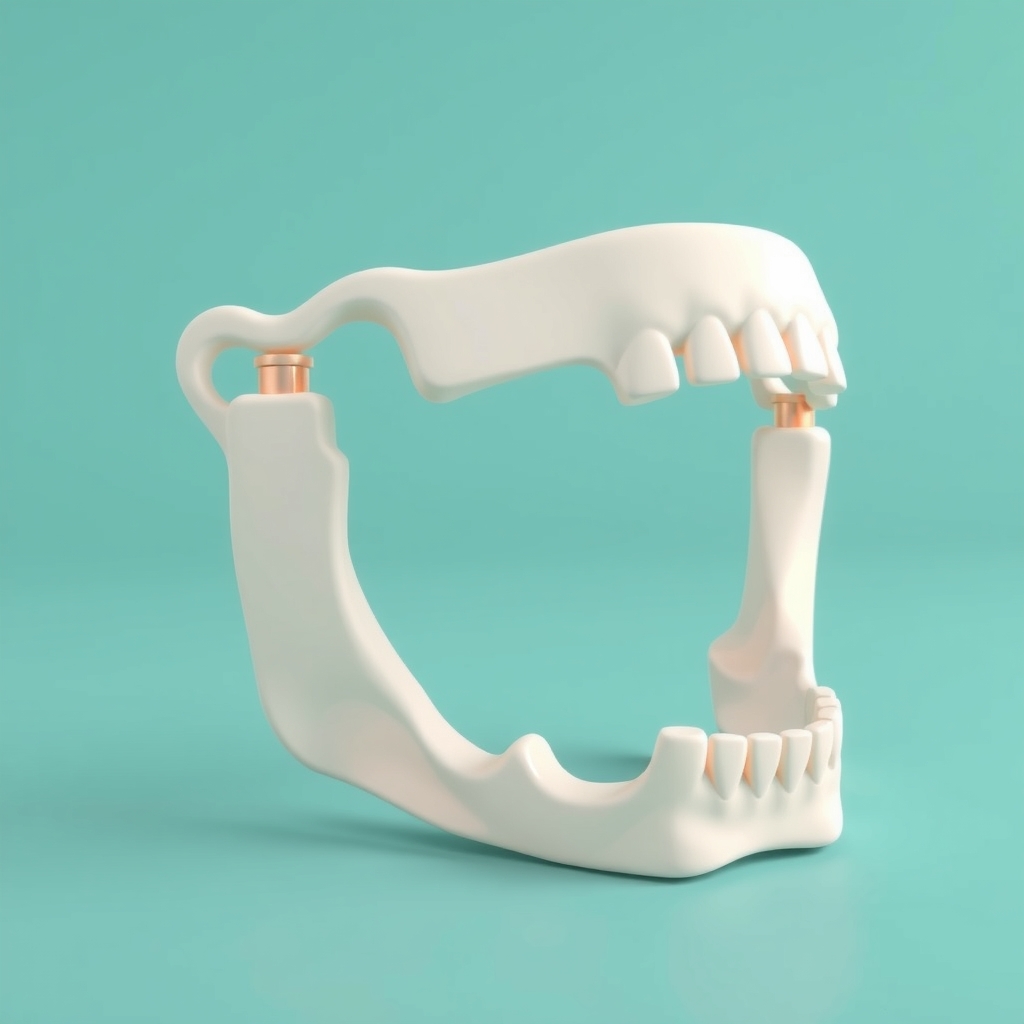
Orthognathic surgery is a surgical procedure that repositions the jawbones to correct significant misalignment between the upper and lower jaw. It is performed by an oral and maxillofacial surgeon, often working alongside an orthodontist, since braces are usually needed both before and after surgery to fine-tune the bite.
The surgery is done intraorally, meaning cuts are made inside the mouth so there are no visible scars on the face. The jawbone is carefully repositioned and secured with small titanium plates and screws, which are usually left in place permanently unless they cause issues later.
When Is Jaw Surgery Needed?
Braces alone can move teeth within the jawbone, but they cannot correct problems with the size or position of the jawbone itself. Surgery becomes necessary when the discrepancy is skeletal rather than just dental. Common situations include:
- Severe underbite, where the lower jaw protrudes significantly beyond the upper jaw
- Severe overbite caused by an undersized or recessed lower jaw
- Open bite, where front teeth do not meet even when back teeth are closed
- Significant facial asymmetry affecting the jaw
- Difficulty chewing, speaking, or closing the lips comfortably due to jaw position
- Sleep apnea linked to a narrow or recessed jaw structure
- Jaw problems following facial trauma or injury
Your orthodontist and oral surgeon will typically take X-rays, photographs, and dental impressions to assess whether orthodontics alone will be enough or whether surgery is required for a stable, functional result.
Signs You May Need to Ask About Jaw Surgery
- Your jaw noticeably does not line up when you look in the mirror
- You have chronic jaw pain, clicking, or difficulty opening your mouth fully
- Your dentist or orthodontist has mentioned that braces alone will not fully correct your bite
- You struggle to bite into or chew certain foods properly
The Treatment Process
Orthognathic surgery is rarely a standalone procedure. It is part of a longer treatment plan that typically unfolds in stages:
- Pre-surgical orthodontics: Braces are placed first to align the teeth within each jaw, which can take 12 to 18 months. This step may temporarily make the bite look worse since it is correcting dental compensations.
- Surgical planning: 3D imaging and models help the surgical team plan the exact jaw movements needed.
- The surgery itself: Performed under general anesthesia, usually requiring a hospital stay of 1 to 3 days.
- Post-surgical orthodontics: Braces are adjusted further over several months to settle the bite into its final position.
What Recovery Looks Like
Recovery happens gradually over several weeks to months. Here is a general timeline patients can expect:
| Recovery Stage | What to Expect |
|---|---|
| First 1-2 weeks | Swelling, bruising, and a liquid diet. Pain is managed with prescribed medication. |
| 2-6 weeks | Soft food diet, gradual reduction in swelling, return to light daily activities. |
| 6 weeks to 3 months | Jaw continues to heal and stabilize, chewing becomes easier, orthodontic adjustments continue. |
| 6-12 months | Full healing of bone, final bite refinement, braces often removed toward the end of this period. |
Most patients take 2 to 4 weeks off work or school, depending on the nature of their job and how the healing progresses. Swelling is most noticeable in the first week and improves steadily afterward.
Cost Considerations
Orthognathic surgery costs depend on the complexity of the case, whether one or both jaws are involved, and hospital charges for anesthesia and stay. In Sector 45, Gurgaon, the typical range for the surgical portion alone is approximately INR 1,50,000 to 4,50,000, not including pre- and post-surgical orthodontic treatment, which is usually billed separately. We recommend a detailed consultation for an accurate estimate based on your specific case.
Talk to a Specialist First
Deciding on jaw surgery is a significant decision that should involve a thorough evaluation by both an orthodontist and an oral surgeon. At Smiles By Dr. T, we assess whether your bite issue can be managed with orthodontics alone or whether a referral for surgical correction is the right path for lasting results.
Have questions about your teeth?
Smiles By Dr. T · Plot No 35, Sector 45, Near ISKCON Temple, Gurgaon
Frequently asked questions
Is orthognathic surgery painful?
There is swelling and discomfort for the first week or two, managed with prescribed painkillers. Most patients describe it as manageable, similar to recovering from wisdom tooth removal but longer in duration.
Will my face look different after jaw surgery?
Yes, since the jaw position changes, facial profile often improves along with the bite. Changes are usually subtle and aim to create better facial balance, not a completely different appearance.
Can adults get jaw surgery, or is it only for teenagers?
Jaw surgery is typically done after facial growth is complete, usually from age 17-18 onwards. Many adults in their 20s, 30s, and beyond undergo this surgery successfully.
How long before I can eat normally after jaw surgery?
A liquid to soft diet is needed for about 4 to 6 weeks while the jaw heals. Most patients return to a fairly normal diet by 2 to 3 months post-surgery.
Treatment costs mentioned on this page are indicative ranges for the Sector 45, Gurgaon region. Your exact cost depends on your case and will be confirmed after a clinical examination at the clinic.