Why a Permanent Tooth Becomes Loose and How It Can Be Treated
A loose tooth in childhood is normal. A loose tooth in adulthood is not, and it usually means something needs attention. If you have noticed a wobbly tooth while brushing or eating, you are right to be concerned, but the good news is that many loose teeth can be treated and saved if caught early. Here is what could be causing it and what your options are.
Common Reasons a Permanent Tooth Becomes Loose
Several conditions can weaken the support around a tooth. Often, more than one factor is at play.
Gum Disease (Periodontitis)
This is the most frequent cause of loose teeth in adults. When plaque and tartar build up along the gumline, bacteria trigger inflammation that slowly damages the gums and the bone holding the tooth in place. Left untreated, this bone loss allows the tooth to shift and loosen.
Trauma or Injury
A blow to the face, a fall, or biting down hard on something unexpected can loosen a tooth suddenly. Sometimes the looseness is temporary as the ligament fibres heal, but in other cases the damage is more significant.
Bruxism (Teeth Grinding or Clenching)
Chronic grinding, often during sleep or under stress, places excessive force on teeth. Over time, this can stretch the supporting ligaments and contribute to looseness, especially when combined with existing gum disease.
Bone Loss
Bone loss can result from long-standing gum disease, osteoporosis, or even ill-fitting dentures pressing on the jaw. Since teeth rely on bone for stability, any reduction in bone height or density can make a tooth feel unstable.
Other Contributing Factors
- Hormonal changes, such as pregnancy, that increase gum sensitivity
- Uncontrolled diabetes, which slows healing and worsens gum disease
- Smoking, which reduces blood flow to the gums
- Recent dental work that has temporarily affected the bite
How Dentists Diagnose the Cause
At your visit, the dentist will check the degree of mobility, measure gum pocket depths, and take an X-ray to see the bone level around the root. This helps determine whether the looseness is mild, moderate, or advanced, and whether the tooth can realistically be saved.
Treatment Options, From Saving the Tooth to Replacing It
Deep Cleaning and Gum Treatment
If gum disease is the cause, scaling and root planing (a deep cleaning below the gumline) removes plaque and tartar and allows inflamed gums to heal. In many early to moderate cases, this alone reduces looseness over a few weeks.
Splinting
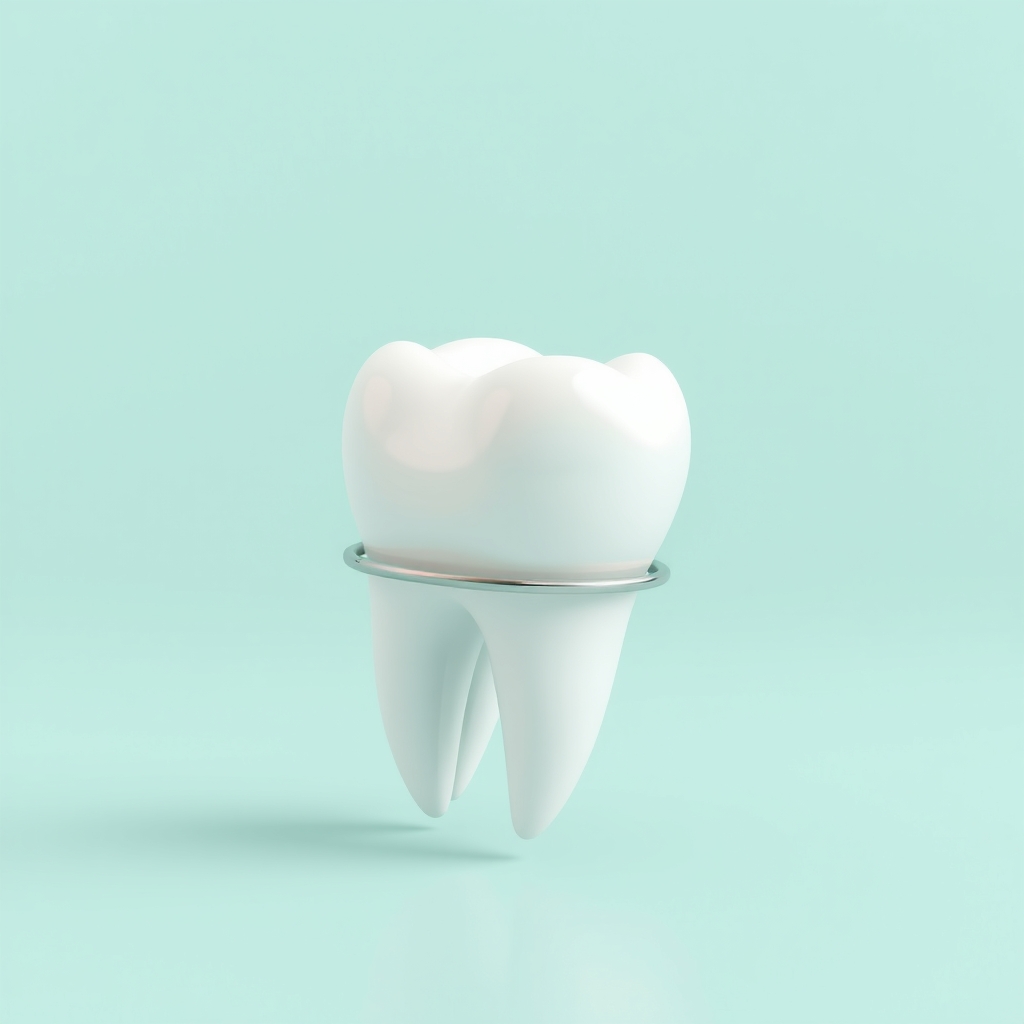
A dental splint bonds the loose tooth to its stable neighbours, usually with a thin wire or fibre strip on the back of the teeth. This spreads biting force across several teeth and gives the loose tooth a chance to stabilise while the gums heal.
Night Guards for Bruxism
If grinding is contributing to the problem, a custom night guard reduces the pressure on your teeth during sleep, protecting the healing gum and bone tissue.
Bite Adjustment
Sometimes a tooth is taking on too much force because of a slight bite misalignment. Gently reshaping the biting surface can relieve this pressure.
Bone Grafting
In select cases where bone loss is moderate, a bone graft procedure can help rebuild support around the tooth, though this is not suitable for every situation.
Extraction and Replacement
When a tooth has lost too much bone support or the mobility is severe, extraction may be the safest option to prevent infection or discomfort from spreading. Afterwards, replacement options include a dental implant, a bridge, or a partial denture, depending on your oral health and preference.
| Treatment | Best suited for | Typical range (INR) |
|---|---|---|
| Deep cleaning | Early to moderate gum disease | 2,500 to 6,000 per session |
| Splinting | Mobile tooth needing support | 3,000 to 8,000 |
| Night guard | Bruxism related looseness | 4,000 to 9,000 |
| Extraction | Severely compromised tooth | 1,500 to 6,000 |
| Implant replacement | Missing tooth after extraction | 25,000 to 55,000 |
These are typical ranges for Sector 45, Gurgaon and can vary based on the number of teeth involved, materials used, and the complexity of your case. Your dentist will confirm exact costs after an examination.
What You Can Do Right Now
- Avoid chewing on the affected side
- Do not wiggle the tooth with your tongue or fingers
- Keep the area clean with gentle brushing
- Book a dental check-up promptly rather than waiting to see if it worsens
If you live near Sector 45, Gurgaon and are dealing with a loose tooth, the team at Smiles By Dr. T, located near ISKCON Temple, can assess the cause and walk you through the most suitable treatment path. Call +91 79482 24068 to schedule a visit.
Have questions about your teeth?
Smiles By Dr. T · Plot No 35, Sector 45, Near ISKCON Temple, Gurgaon
Frequently asked questions
Can a loose adult tooth ever tighten back up on its own?
Sometimes, if the cause is mild gum inflammation or a minor injury, the tooth can firm up once the irritation is treated or healing occurs. But if bone loss from gum disease is the cause, the tooth will not tighten on its own and needs professional treatment.
Is a loose tooth always a sign of gum disease?
No. While gum disease is the most common cause in adults, trauma, teeth grinding, and even a recent dental procedure can also cause temporary or lasting looseness. A dental check-up helps identify the exact cause.
How urgent is it to see a dentist for a wobbly tooth?
It is best not to wait. Early treatment gives a much better chance of saving the tooth. If there is pain, swelling, or the tooth shifts position, visit a dentist as soon as possible.
Will I definitely need the tooth removed?
Not necessarily. Many loose teeth can be stabilised with splinting and gum treatment. Extraction is usually considered only when bone support has been severely and permanently lost.
Treatment costs mentioned on this page are indicative ranges for the Sector 45, Gurgaon region. Your exact cost depends on your case and will be confirmed after a clinical examination at the clinic.