Why Root Canals Fail and How Retreatment Can Save Your Tooth
A root canal is meant to save a tooth for many years, sometimes for life. But occasionally a treated tooth starts hurting again weeks, months, or even years later. If this has happened to you, it does not always mean the tooth is beyond saving. Often, a procedure called retreatment can fix the problem. Here is what patients in Sector 45, Gurgaon should know about why root canals fail and what comes next.
Why Do Root Canals Fail?
Root canal treatment removes infected pulp tissue and seals the canal to prevent bacteria from re-entering. Failure usually happens when bacteria find a way back in, or when the original treatment missed something.
- Complex canal anatomy: Some teeth have extra canals or curves that are hard to detect and clean fully during the first treatment.
- Delayed or missing crown: A root-canal-treated tooth without a timely crown or filling can let bacteria seep in through tiny cracks.
- New decay: A fresh cavity can form around or beneath an old filling, exposing the canal to infection again.
- Cracked tooth or root: A hairline fracture can let bacteria in even if the canal itself was cleaned properly.
- Loose or damaged restoration: If the crown or filling becomes loose, saliva and bacteria can leak underneath it.
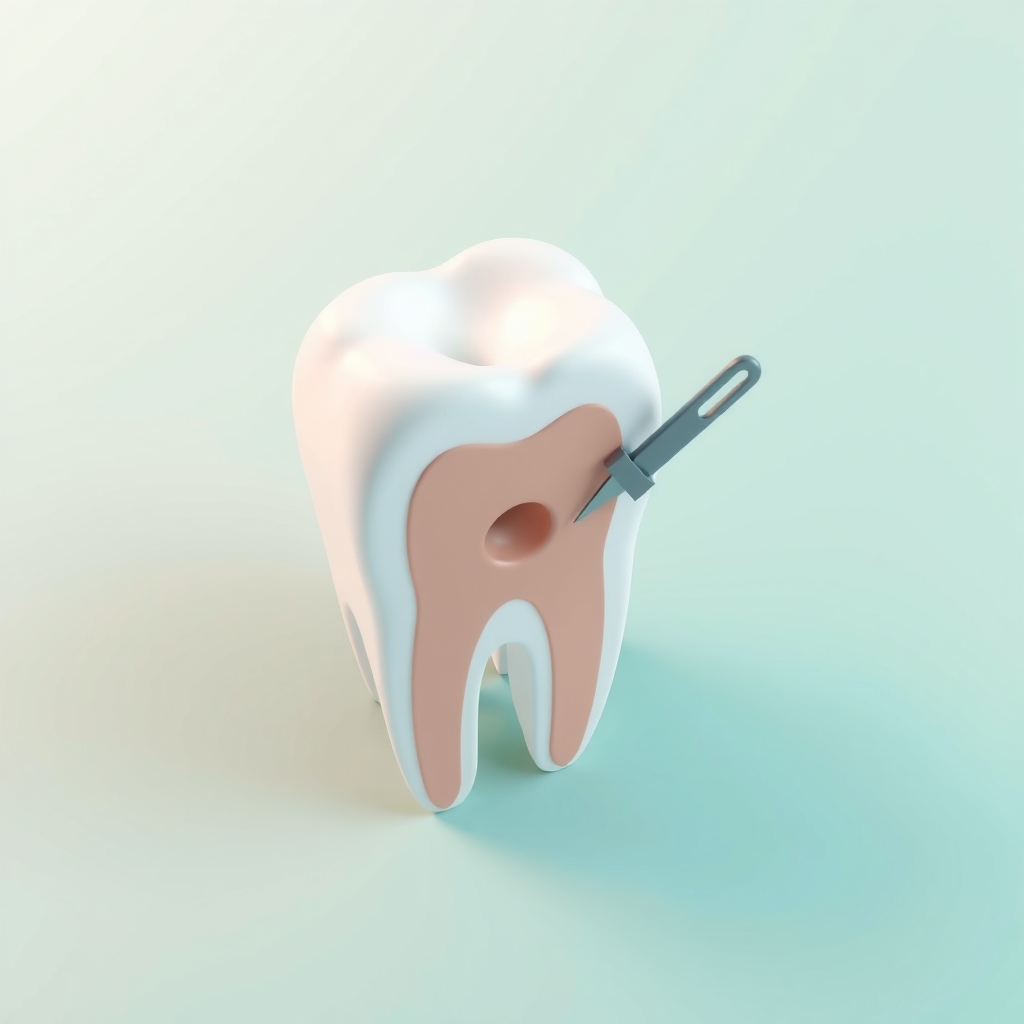
Warning Signs You Should Not Ignore
A failing root canal does not always cause severe pain right away. Watch for these signs and get them checked promptly:
- Lingering pain or tenderness when chewing on the treated tooth
- Swelling or a small bump on the gum near the tooth
- A pimple-like bump that oozes fluid (a sinus tract)
- Sensitivity to hot or cold that was not there before
- Darkening of the tooth
- Recurring discomfort after an initial period of feeling fine
Sometimes a failing root canal shows no symptoms at all and is picked up only on a routine dental X-ray, which is one reason regular check-ups matter even after treatment is done.
What Happens During a Dental Check
Your dentist will take a fresh X-ray to look at the root tips and surrounding bone, check the tooth for cracks or gum pockets, and ask about your symptoms. This helps decide whether retreatment, a minor surgical procedure, or extraction is the right path.
Retreatment Options
Non-Surgical Retreatment
This is the most common option. The dentist reopens the tooth, removes the old filling material from the canals, cleans out any infection, reshapes the canals if needed, and reseals them. A new crown or filling is usually placed afterward to protect the tooth.
Apicoectomy (Root-End Surgery)
If infection persists at the very tip of the root and the canal itself cannot be reopened easily (for example, if there is a post or crown that is difficult to remove), a small surgical procedure may be done to clean the infected tissue directly from the root tip through the gum.
Extraction as a Last Resort
If the tooth has a vertical root fracture, severe bone loss, or cannot support a restoration, extraction followed by a bridge or implant may be recommended instead of retreatment.
Typical Cost Range in Sector 45, Gurgaon
| Procedure | Typical Range (INR) |
|---|---|
| Non-surgical root canal retreatment | ₹6,000 - ₹15,000 per tooth |
| Apicoectomy (root-end surgery) | ₹10,000 - ₹20,000 per tooth |
| New crown after retreatment | ₹5,000 - ₹18,000 depending on material |
| Extraction (if retreatment is not possible) | ₹2,000 - ₹8,000 |
These are typical ranges only. Your dentist will confirm actual costs after examining the tooth and reviewing your X-ray, since complexity varies from case to case.
Can Retreatment Really Save the Tooth?
In most cases, yes. Retreatment has a good success rate when the tooth structure is sound and the infection is treatable. Saving your natural tooth is almost always preferable to extraction, since it avoids the need for a bridge or implant later and keeps your bite and jawbone healthier in the long run.
If you have had a root canal before and are noticing any discomfort, swelling, or changes around that tooth, do not wait for it to get worse. Early evaluation gives you the best chance of saving the tooth with a simpler, more affordable procedure.
Have questions about your teeth?
Smiles By Dr. T · Plot No 35, Sector 45, Near ISKCON Temple, Gurgaon
Frequently asked questions
Is it normal to feel some discomfort after a root canal?
Mild sensitivity for a few days is normal. Persistent pain, swelling, or throbbing after the initial healing period is not normal and should be checked.
Can a failed root canal always be retreated, or is extraction the only option?
Most failed root canals can be retreated successfully. Extraction is usually considered only when the tooth structure is too weak, the root is fractured, or infection cannot be controlled.
How long does root canal retreatment take?
Retreatment is usually completed in one or two visits, depending on how complex the original treatment was and whether the old filling material needs careful removal.
Does retreatment hurt more than the first root canal?
No. Retreatment is done under local anesthesia just like the original procedure, and most patients describe it as similarly comfortable.
Treatment costs mentioned on this page are indicative ranges for the Sector 45, Gurgaon region. Your exact cost depends on your case and will be confirmed after a clinical examination at the clinic.