Dry Socket After Tooth Extraction: Symptoms, Causes and Treatment
If you had a tooth removed recently and the pain seems to be getting worse instead of better after a couple of days, you may be dealing with dry socket. It is one of the most common complications after a tooth extraction, and while uncomfortable, it is very treatable once recognised early. This guide explains what causes it, how to spot the symptoms, and what treatment looks like.
What Is Dry Socket?
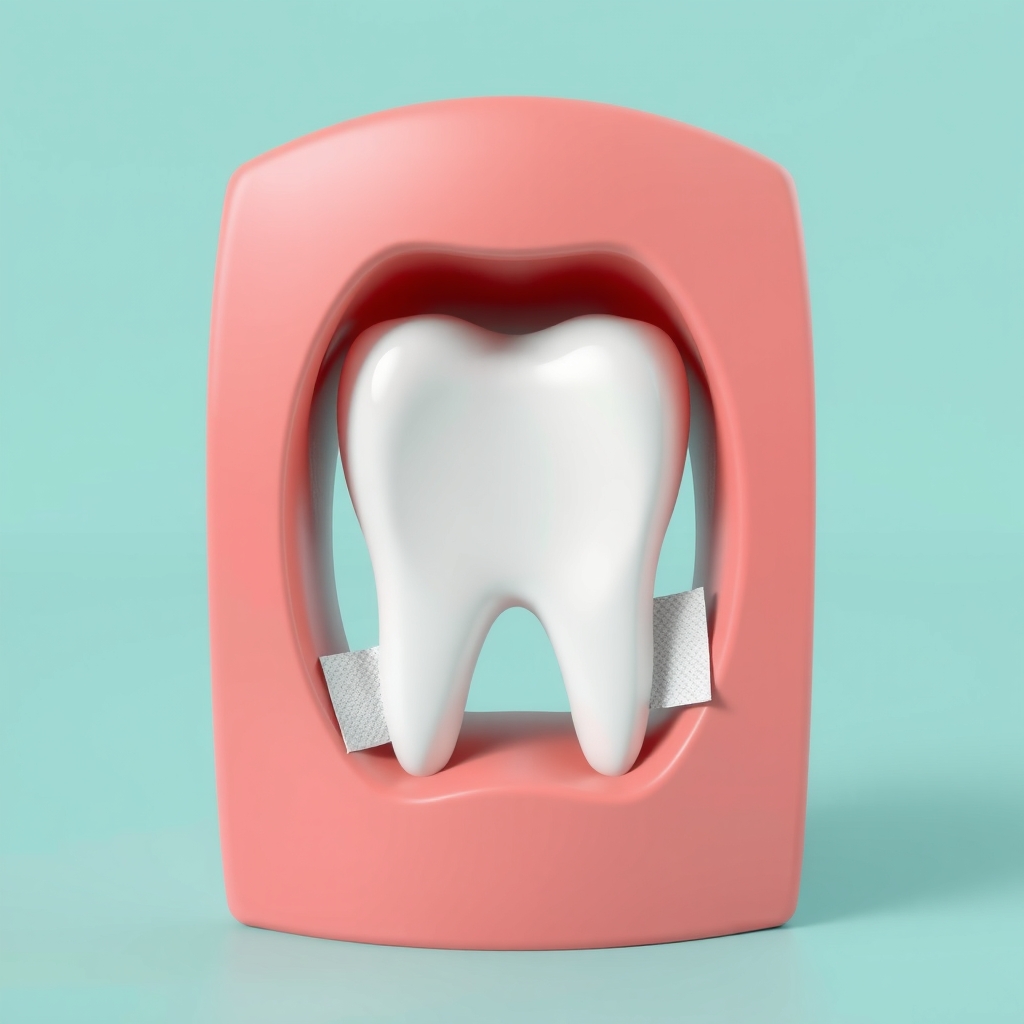
After a tooth is extracted, a blood clot forms in the empty socket. This clot protects the underlying bone and nerves and acts as a foundation for new tissue to grow. Dry socket, known medically as alveolar osteitis, happens when this clot is dislodged, dissolves too early, or never forms properly. This leaves the bone and nerve endings exposed to air, food, and bacteria, which causes significant pain.
Why Does Dry Socket Happen?
Dry socket is not caused by poor treatment. It can happen to anyone, though certain habits and factors increase the risk.
- Smoking or vaping soon after extraction, which disturbs the clot and reduces blood supply
- Using a straw or spitting forcefully, creating suction that dislodges the clot
- Rinsing too vigorously in the first 24 hours
- Difficult or surgical extractions, such as impacted wisdom teeth
- Poor oral hygiene allowing bacteria to interfere with healing
- Hormonal factors, which is why dry socket is slightly more common in women, especially those on oral contraceptives
- Previous history of dry socket after an earlier extraction
Symptoms to Watch For
Normal post-extraction discomfort usually peaks within the first day or two and then steadily improves. Dry socket feels different.
- Pain that worsens around day two to four instead of easing
- Pain that radiates to the ear, eye, or jaw on the same side
- An empty-looking socket, sometimes with visible bone
- A bad taste in the mouth or persistent bad breath
- Mild fever in some cases
If you notice these signs, it is best to visit your dentist rather than wait it out, since the pain tends to intensify without treatment.
Dry Socket vs Normal Healing
| Feature | Normal Healing | Dry Socket |
|---|---|---|
| Pain trend | Gradually decreases daily | Suddenly worsens after day 2 |
| Socket appearance | Clot visible, dark red or pinkish | Empty, grayish, bone may be visible |
| Pain location | Localised to extraction site | Often radiates to ear or jaw |
| Response to painkillers | Usually well controlled | Often poorly relieved |
How Dry Socket Is Treated
The good news is that dry socket treatment at a dental clinic usually brings quick relief, often within hours.
- The dentist gently cleans the socket to remove any food debris or bacteria
- A medicated dressing is placed into the socket to protect the exposed bone and ease pain
- Pain relief medication may be prescribed for a few days
- You may need a follow-up visit to change the dressing until healing progresses
Patients visiting our clinic near ISKCON Temple in Sector 45, Gurgaon, with suspected dry socket are usually seen the same day, since timely treatment makes a real difference to comfort levels.
How to Prevent Dry Socket
- Avoid smoking or vaping for at least 48 to 72 hours after extraction
- Skip straws and carbonated drinks for the first few days
- Stick to soft, lukewarm food and avoid spitting forcefully
- Follow your dentist's instructions on gentle rinsing, usually starting a day after extraction
- Keep the extraction site clean without disturbing it directly with your tongue or a brush
- Attend any follow-up appointment suggested, especially after wisdom tooth removal
The Cost of Dry Socket Treatment
Treatment for dry socket is generally a simple, affordable procedure. In Sector 45, Gurgaon, the typical range for a dry socket dressing visit is approximately INR 500 to INR 1,500 per sitting, depending on how many follow-up visits are needed. Your dentist will discuss this with you based on your specific case.
If your extraction pain feels different or worse than expected a few days in, do not wait. A quick check-up can identify dry socket early and get you comfortable again sooner.
Have questions about your teeth?
Smiles By Dr. T · Plot No 35, Sector 45, Near ISKCON Temple, Gurgaon
Frequently asked questions
How long after extraction can dry socket develop?
Dry socket usually develops two to four days after the extraction. If your pain was improving and then suddenly worsens around this time, it is worth getting checked.
Can dry socket heal on its own without treatment?
It can slowly heal on its own over one to two weeks, but the pain is usually severe enough that patients prefer treatment, which gives much faster relief.
Does dry socket mean the extraction was done incorrectly?
No. Dry socket can happen even after a well-performed extraction. It is mainly related to the blood clot being disturbed, smoking, or certain individual healing factors.
Can I prevent dry socket by avoiding straws?
Yes. Sucking motions from straws, smoking, or spitting forcefully can dislodge the healing clot, so avoiding these for a few days lowers your risk.
Treatment costs mentioned on this page are indicative ranges for the Sector 45, Gurgaon region. Your exact cost depends on your case and will be confirmed after a clinical examination at the clinic.