Digital Intraoral Scanners vs Traditional Putty Impressions
If you have had a dental impression done before, you probably remember the tray of thick, chalky putty pressed into your mouth and held there while you tried not to gag. At Smiles By Dr. T in Sector 45, Gurgaon, most of our crown, aligner, and implant cases now start with a digital intraoral scan instead. Here is how the technology works and why patients in Sector 45 and nearby areas often prefer it.
What Is a Digital Intraoral Scanner?
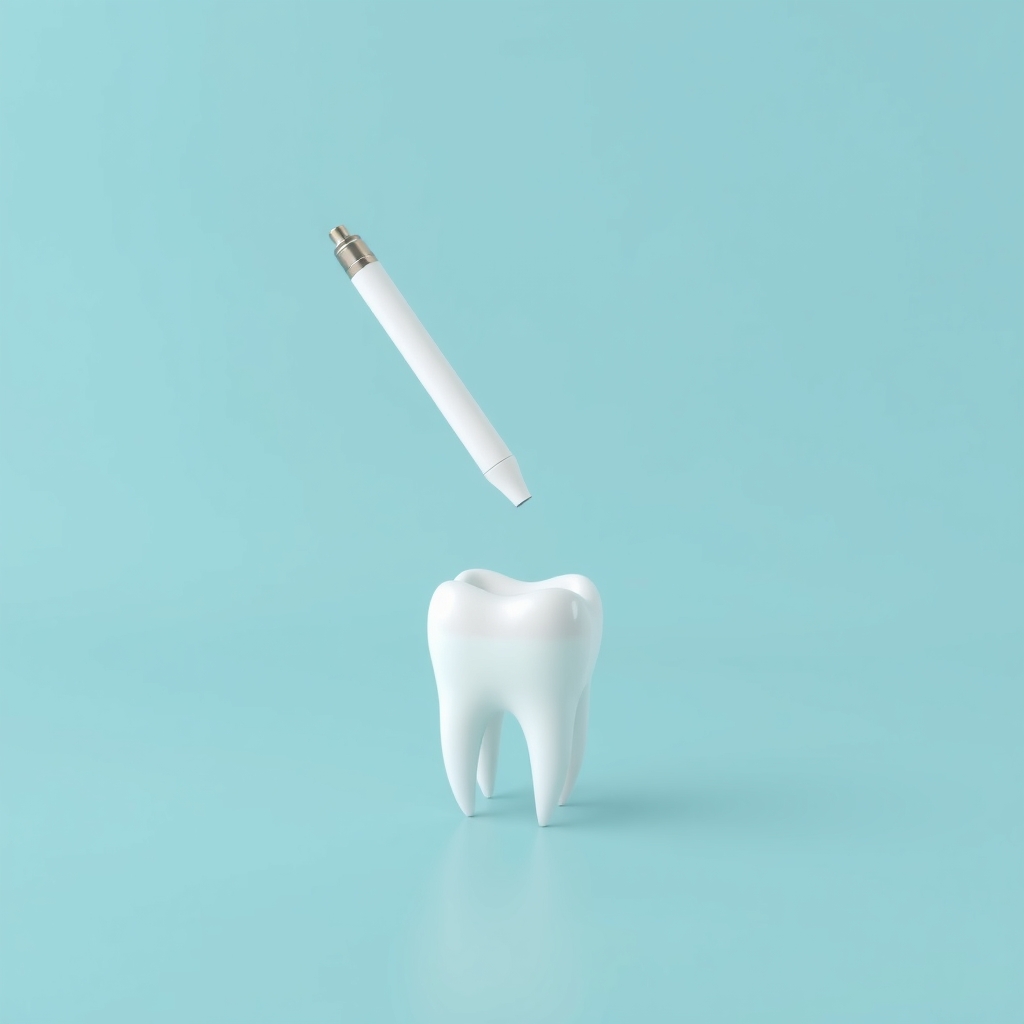
A digital intraoral scanner is a small, pen-like wand connected to a computer. Your dentist gently moves the wand over your teeth and gums, and it captures thousands of images per second. These images are stitched together in real time to create a detailed 3D model of your mouth on the screen in front of you.
There is no tray, no putty, and no waiting for material to set. The whole process is dry, quick, and you can see your own teeth on the monitor as the scan builds, which many patients find genuinely interesting.
How Traditional Putty Impressions Work
Conventional impressions use a tray filled with a soft putty-like material that is placed over your teeth. You bite down or the dentist holds it in place for several minutes while the material sets into a mould. This mould is then used to create a plaster model, which is sent to a dental lab.
While this method has worked for decades and is still used in some situations, it comes with a few common complaints such as a strong taste or smell, a feeling of fullness in the mouth, and for some patients, gagging or discomfort, especially with back teeth impressions.
Comfort: Scanner vs Putty
- No gag reflex trigger: The scanner wand is slim and does not sit at the back of the throat the way a full tray does.
- Shorter chair time: A full scan of both arches typically takes a few minutes, compared to several minutes of holding still for putty to set.
- No unpleasant taste or texture: There is no material in your mouth to swallow or taste.
- Easier for children and anxious patients: Watching the 3D model appear on screen often distracts and reassures nervous patients.
Accuracy: Why Digital Scans Often Win
Putty impressions can shrink slightly, develop air bubbles, or distort if not handled and poured into a model quickly and correctly. Any small error can mean a crown or aligner that does not fit perfectly, sometimes requiring a remake or in-chair adjustment.
Digital scans capture fine detail directly and send the file electronically to the lab, removing several steps where human or material error could creep in. This is particularly useful for:
- Crowns and bridges: Precise margins mean a better fit and less adjustment needed at the seating appointment.
- Clear aligners: Accurate tooth position data helps the aligner system plan tooth movement more predictably.
- Dental implants: Scans can be combined with imaging to plan implant placement with more precision around nerves and sinuses.
Comparing the Two Methods
| Factor | Putty Impression | Digital Scan |
|---|---|---|
| Time in mouth | 5 to 10 minutes per arch | 3 to 5 minutes total |
| Gagging risk | Higher, especially for back teeth | Lower, slim wand design |
| Redo risk | Possible due to bubbles or shrinkage | Lower, instant review on screen |
| Patient comfort | Can feel heavy or unpleasant | Generally well tolerated |
| Lab turnaround | Physical model shipped | Digital file sent instantly |
Is a Digital Scan Right for You?
Most patients at our Sector 45 clinic, whether getting a single crown, starting clear aligner treatment, or planning an implant, are good candidates for digital scanning. In a small number of complex cases, your dentist may still recommend a conventional impression alongside the scan for added detail. Your treating dentist will always explain which method suits your specific case and why.
What to Expect at Your Visit
- Your dentist will briefly dry your teeth so the scanner can capture clear images.
- The wand is moved slowly over your upper and lower teeth and your bite.
- You can watch the 3D model build on the screen as the scan progresses.
- The digital file is reviewed for accuracy before being sent to the lab or used for treatment planning.
If you are considering a crown, aligners, or an implant and want to know more about how digital scanning could make your treatment smoother, our team at Smiles By Dr. T in Sector 45, Gurgaon is happy to walk you through the process at your next visit.
Have questions about your teeth?
Smiles By Dr. T · Plot No 35, Sector 45, Near ISKCON Temple, Gurgaon
Frequently asked questions
Does the digital scan hurt or cause gagging?
No. The scanner wand is small and smooth, and most patients do not feel any gag reflex since there is no tray or putty sitting at the back of the mouth.
How long does a digital scan take?
A full set of scans for both arches usually takes 3 to 5 minutes, much faster than the 5 to 10 minutes needed for putty to set during a traditional impression.
Are digital scans more expensive than putty impressions?
The scan itself is usually included as part of your crown, aligner or implant treatment cost rather than charged separately. Ask our team for a written estimate based on your specific treatment.
Can digital scans be used for all dental treatments?
They work very well for crowns, bridges, aligners, and implant planning. In a few complex cases, your dentist may still recommend a conventional impression alongside the scan.
Treatment costs mentioned on this page are indicative ranges for the Sector 45, Gurgaon region. Your exact cost depends on your case and will be confirmed after a clinical examination at the clinic.