Complete and Partial Dentures vs Implants: A Patient's Guide
Losing one or more teeth affects chewing, speech, and confidence. If you are researching tooth replacement options in Sector 45, Gurgaon, you have likely come across three common paths: complete dentures, partial dentures, and dental implants. Each has its place depending on how many teeth are missing, your bone and gum health, and your budget. This guide explains the basics in plain language so you can have an informed conversation with your dentist.
What Are Complete Dentures?
Complete dentures replace all the teeth in an upper or lower arch. They rest on the gums and are held in place by suction, natural ridges, and sometimes a mild adhesive. They are usually recommended when most or all natural teeth are missing or beyond saving.
Types of Complete Dentures
- Conventional dentures: Made after any remaining teeth are removed and the gums have healed, usually a few weeks to a few months later.
- Immediate dentures: Placed on the same day teeth are removed, so you are never without teeth, though adjustments are needed as gums heal and shrink.
What Are Partial Dentures?
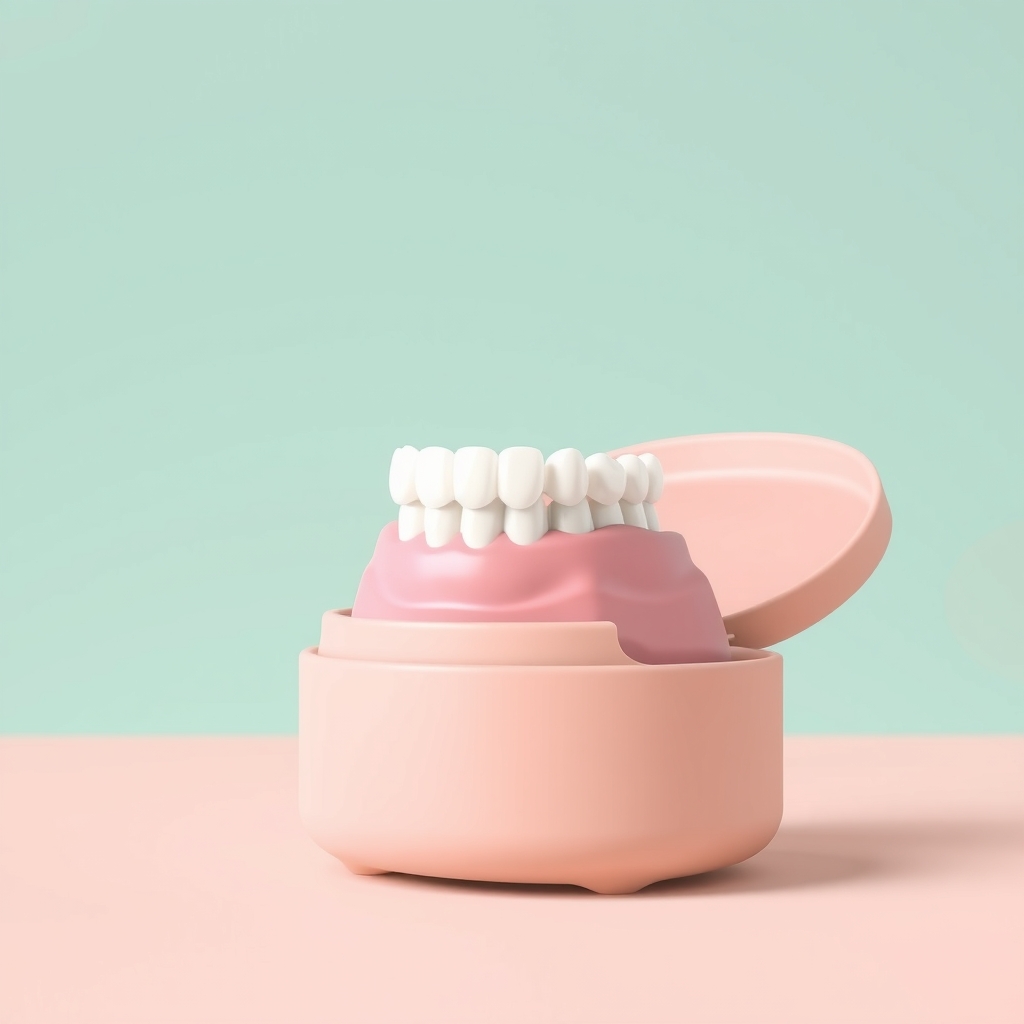
Partial dentures are used when some natural teeth remain healthy. They fill the gaps and often clip onto neighbouring teeth using small metal or flexible clasps. They help maintain your bite and prevent the remaining teeth from shifting.
Common Partial Denture Materials
- Acrylic partials: Lightweight and generally more affordable, often used as a temporary or transitional solution.
- Cast metal (chrome cobalt) partials: Thinner, sturdier, and usually more durable for long-term daily use.
- Flexible partials: Made from a bendable material that adapts around teeth comfortably, often chosen for a more natural look with fewer visible clasps.
How Do Dentures Compare to Implants?
Dental implants are titanium posts placed into the jawbone that support a crown, bridge, or denture. Unlike removable dentures, implants function more like natural tooth roots and do not rely on the gums for support.
| Factor | Dentures | Implants |
|---|---|---|
| Stability | Removable, may shift slightly while eating or speaking | Fixed in the jaw, functions closer to natural teeth |
| Bone health | Does not stimulate jawbone, some bone loss over time is common | Helps maintain jawbone through natural chewing forces |
| Treatment time | Usually completed in a few visits over weeks | Involves a healing period, often a few months, before the final crown |
| Maintenance | Removed daily for cleaning, may need relining over time | Cleaned like natural teeth, regular check-ups needed |
| Suitability | Good option regardless of bone density | Requires adequate bone volume and good general health |
Neither option is universally better. Dentures are a practical, non-surgical solution that suits many patients, especially those who prefer to avoid surgery or have health conditions that make implant surgery less suitable. Implants offer more stability and a feel closer to natural teeth but involve a surgical procedure, healing time, and a higher upfront investment.
Typical Cost Ranges in Sector 45, Gurgaon
Costs vary based on materials, the number of teeth being replaced, and any preparatory treatment needed. As a general guide for patients in Sector 45, Gurgaon:
- Complete denture (per arch): typical range of Rs 8,000 to Rs 25,000 depending on material quality.
- Partial denture (acrylic or metal): typical range of Rs 5,000 to Rs 18,000 depending on the number of teeth and clasp design.
- Flexible partial denture: typical range of Rs 10,000 to Rs 20,000.
- Single dental implant with crown: typical range of Rs 30,000 to Rs 55,000 depending on the implant brand and case complexity.
These are general estimates and not a quotation. Your dentist can confirm actual costs after an oral examination and, if needed, an X-ray to assess bone health.
Which Option Is Right for You?
The right choice depends on how many teeth are missing, the condition of your remaining teeth and gums, your bone density, and your daily routine. A short consultation with a clear examination of your mouth is the best way to compare options honestly before deciding. Many patients in and around Sector 45, Gurgaon find it helpful to discuss both a denture-based plan and an implant-based plan side by side, so they can weigh comfort, cost, and long-term goals together.
Have questions about your teeth?
Smiles By Dr. T · Plot No 35, Sector 45, Near ISKCON Temple, Gurgaon
Frequently asked questions
How long does it take to get used to new dentures?
Most patients need two to six weeks to adjust to speaking and eating comfortably. Some soreness and extra saliva in the first week is normal and usually settles as your mouth adapts.
Can I switch from dentures to implants later?
Yes, many patients start with dentures and move to implants later, or use implants to help stabilise an existing denture. Your dentist can assess if your jawbone has enough support at that time.
Do dentures look natural?
Modern dentures are made from tooth-coloured acrylic or ceramic and shaped to match your face and bite. With a good fit and shade match, they generally look very natural.
How often do dentures need to be replaced or adjusted?
Dentures typically need relining or replacement every five to eight years as your gums and bone shape change over time. Regular check-ups help catch fit issues early.
Treatment costs mentioned on this page are indicative ranges for the Sector 45, Gurgaon region. Your exact cost depends on your case and will be confirmed after a clinical examination at the clinic.