Bone Grafting Before Dental Implants: What Patients Should Know
If you are considering a dental implant in Sector 45, Gurgaon, you may have been told that you need a bone graft first. This can feel confusing or even worrying, but it is a common and well understood part of implant dentistry. This article explains why bone grafting is sometimes necessary, how the procedure works, how long healing takes, and what affects the overall cost.
Why Bone Volume Matters for Implants
A dental implant is a titanium post that is placed directly into the jawbone, acting like an artificial tooth root. For the implant to stay firm and function well long term, it needs enough healthy bone around it for support. When a tooth has been missing for a long time, the bone in that area can shrink or thin out because it is no longer being stimulated by chewing forces. This is a natural process called bone resorption.
Other reasons for low bone volume include old extractions that were not grafted at the time, gum disease that has damaged the bone, injuries, or long-term denture use that presses down on the ridge over the years.
When Is a Bone Graft Actually Needed
Not every implant patient needs a graft. Your dentist will usually take a 3D scan (CBCT) of your jaw to measure the bone height, width, and density precisely. A graft is generally recommended when:
- The bone is too thin or short to anchor the implant securely
- There is a visible dip or defect in the ridge after a previous extraction
- The tooth has been missing for several years with noticeable bone loss
- Gum disease has caused bone damage around neighbouring teeth
- The implant is planned near the sinus area in the upper jaw, where extra height may be needed (a sinus lift)
How the Bone Grafting Procedure Works
Bone grafting is usually done as a minor surgical procedure under local anaesthesia, so it should not be painful during treatment. The basic steps are:
- The gum is gently opened to expose the area needing bone support
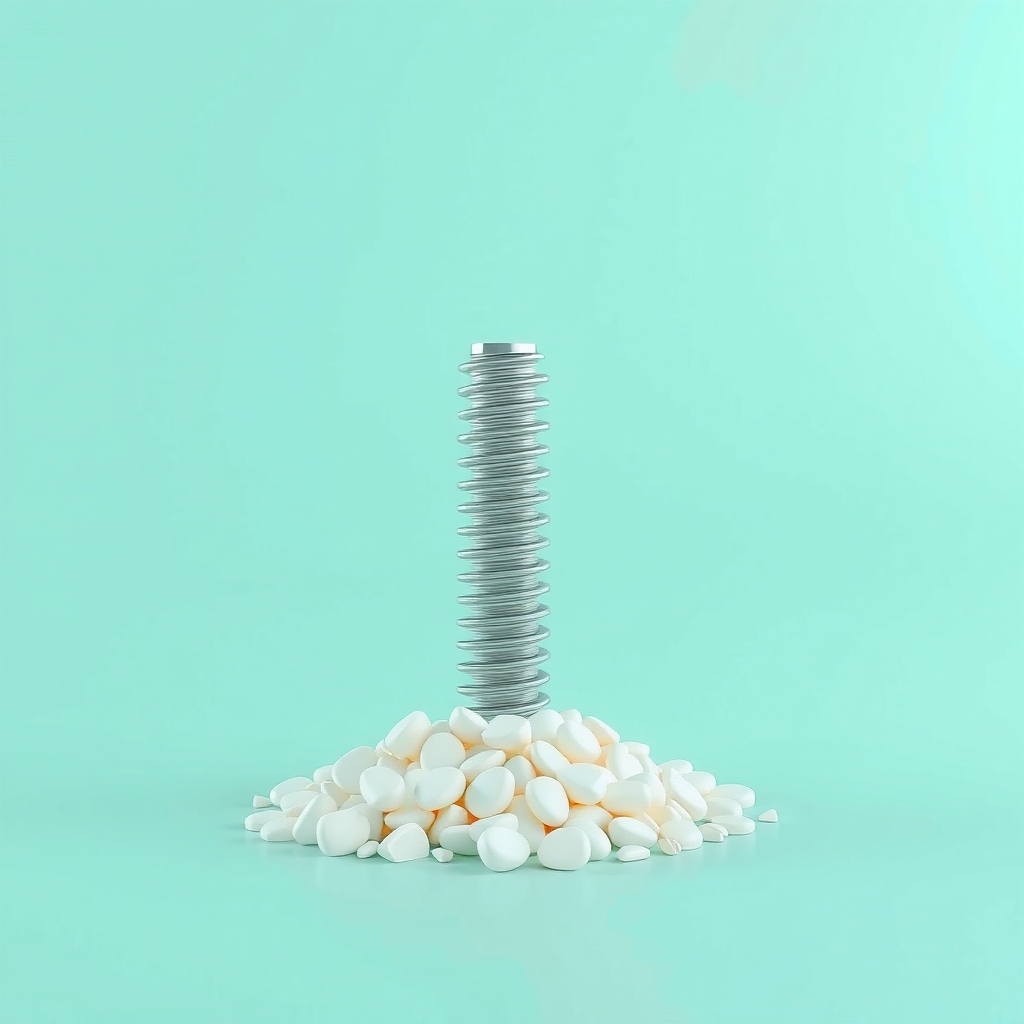
- Graft material is placed into the site. This may be your own bone, processed donor bone, or a synthetic bone substitute, depending on your case
- A protective membrane may be placed over the graft to help it stay in position
- The gum is closed with stitches, and the area is left to heal and integrate with your natural bone
In some cases of minor bone loss, the graft can be placed at the same time as the implant itself. When more bone is needed, the graft is usually allowed to heal first before the implant is placed in a separate visit.
What Healing Looks Like
Healing time depends on the size of the graft and your individual healing response. As a general guide:
- Small grafts done alongside implant placement may need around 3 to 4 months to fully integrate
- Larger grafts, such as sinus lifts or ridge augmentation, often need 4 to 9 months before the implant can be safely placed
- Mild swelling, bruising, and tenderness for the first few days is normal and usually settles within a week
Your dentist will monitor healing with follow-up visits and may take another scan before confirming the site is ready for the implant.
What Affects the Cost of Bone Grafting
Bone graft costs vary from patient to patient because every case is different. Some of the main factors include:
- The size and location of the graft needed
- The type of graft material used, such as your own bone versus a synthetic or donor substitute
- Whether a sinus lift or more complex ridge augmentation is required
- Whether the graft is combined with the implant procedure or done as a separate stage
- The clinic's facilities and the dentist's experience
For patients in Sector 45, Gurgaon, the typical range for a standard bone graft procedure is approximately Rs 8,000 to Rs 25,000, while more extensive procedures like a sinus lift can typically range from Rs 20,000 to Rs 45,000. These are general guides only, and your dentist will confirm actual costs after reviewing your scan and treatment plan. We never promise a fixed price before a proper clinical assessment.
| Procedure Type | Typical Range (INR) |
|---|---|
| Minor bone graft (with implant) | Rs 8,000 to Rs 25,000 |
| Sinus lift / major ridge graft | Rs 20,000 to Rs 45,000 |
Final Thoughts
A bone graft is a routine step that helps give your dental implant the strong foundation it needs to last for years. If you are considering implants and want to know whether you might need a graft, a clinical exam and scan is the best way to find out. The team at Smiles By Dr. T in Sector 45, Gurgaon can guide you through each step with a clear plan built around your own jawbone condition.
Have questions about your teeth?
Smiles By Dr. T · Plot No 35, Sector 45, Near ISKCON Temple, Gurgaon
Frequently asked questions
How do I know if I need a bone graft before my implant?
Your dentist will check this using a clinical exam and a 3D scan (CBCT). If the scan shows the jawbone is too thin, short, or soft where the implant needs to go, a graft is usually recommended first.
Is bone grafting painful?
The procedure is done under local anaesthesia, so you should not feel pain during it. Mild soreness and swelling for a few days afterward is normal and manageable with prescribed medication.
Can I get my implant and bone graft done on the same day?
Sometimes, if the bone loss is minor, a small graft can be placed at the same time as the implant. For larger grafts, healing time is needed first before the implant is placed.
Will my insurance or costs change if I need a graft?
Yes, a bone graft is a separate procedure from the implant itself, so it adds to the overall treatment cost. Your dentist will give you a clear, itemised estimate after your scan.
Treatment costs mentioned on this page are indicative ranges for the Sector 45, Gurgaon region. Your exact cost depends on your case and will be confirmed after a clinical examination at the clinic.